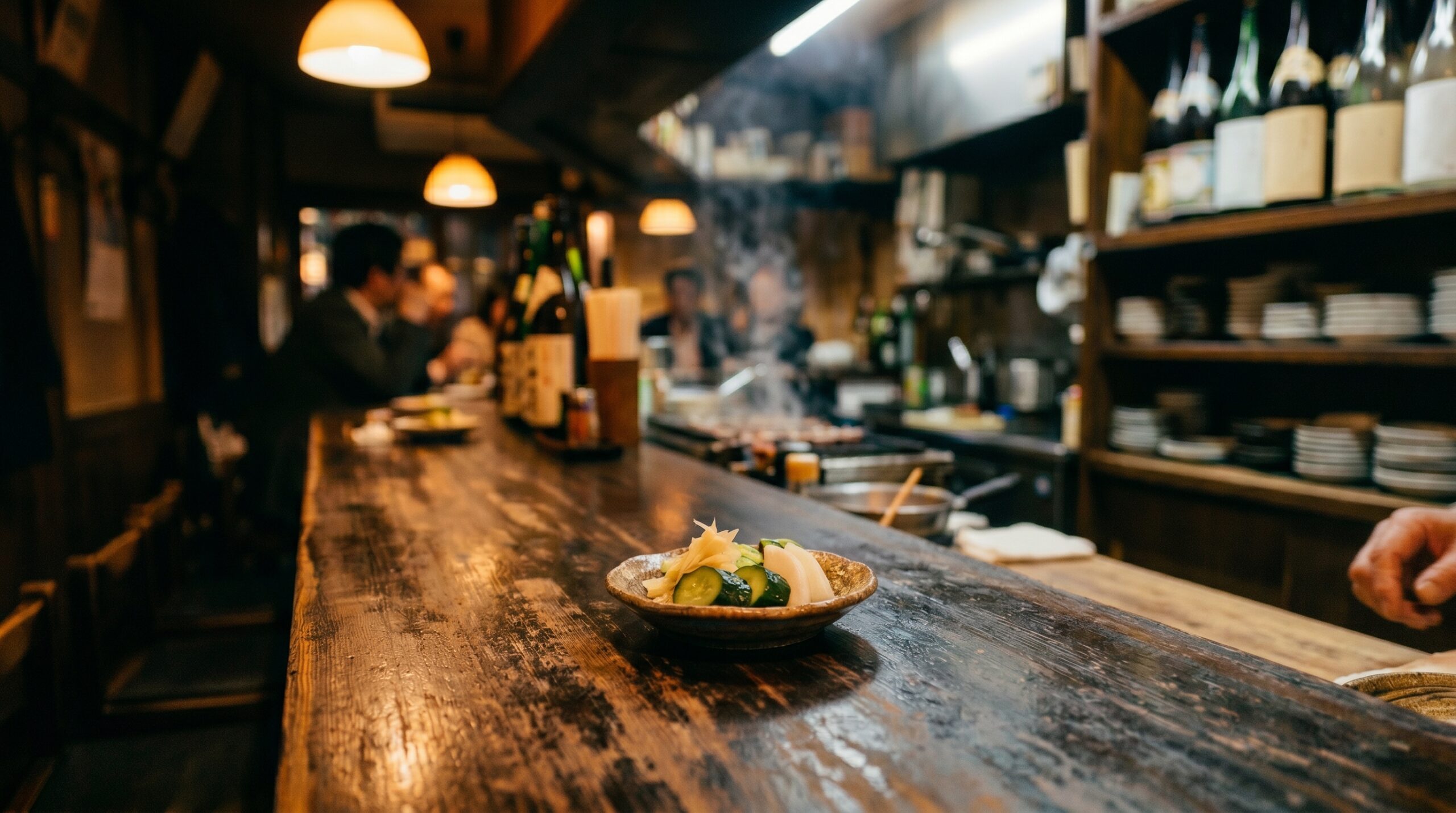
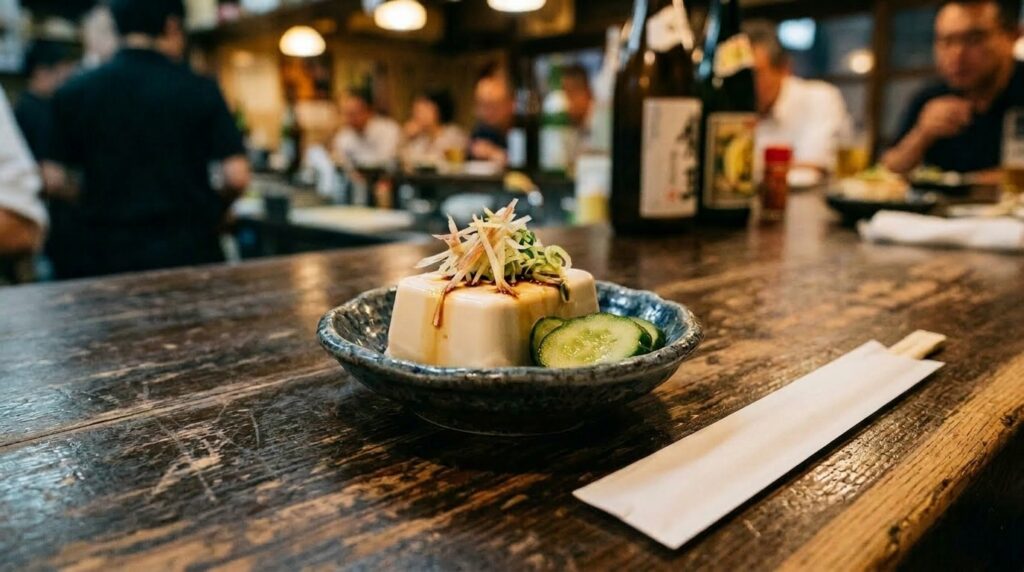
The first time it happened to me in Tokyo, I’d been living here for three weeks. I sat down at a counter in Shinjuku, said nothing, and a small dish appeared in front of me. Cold tofu. A few slices of pickled cucumber. I hadn’t ordered it. The owner hadn’t asked.
初めて東京でこれを経験したのは、赴任して3週間目だった。新宿のカウンターに座って何も言っていないのに、小皿が出てきた。冷奴と、きゅうりの漬物。頼んでいない。大将は何も聞いていない。
I looked at it for a moment. Then I looked at the owner. He was already doing something else.
しばらく眺めた。それから大将を見た。もう別のことをしていた。
This is otoshi. In most izakayas, you’ll be charged for it — somewhere between 300 and 600 yen, depending on the place. It shows up when you sit down. You didn’t ask for it. You can’t really refuse it. And if you’ve never been to Japan before, you might spend the rest of the evening wondering what just happened.
これがお通しだ。たいていの居酒屋では300円から600円くらい取られる。座ると自動的に出てくる。頼んでいない。断りにくい。日本に来たことがない人なら、その夜ずっと「何が起きたんだろう」と思うかもしれない。
Let me explain what actually happened.
何が起きたのか、説明しよう。
The otoshi is not a cover charge with food attached. It’s not the restaurant trying to squeeze an extra few hundred yen out of you before you’ve had a chance to look at the menu. That’s the wrong frame entirely.
お通しはカバーチャージに食べ物をつけたものではない。メニューを見る前に余分に取ろうとしているわけでもない。そういう見方は根本的に違う。
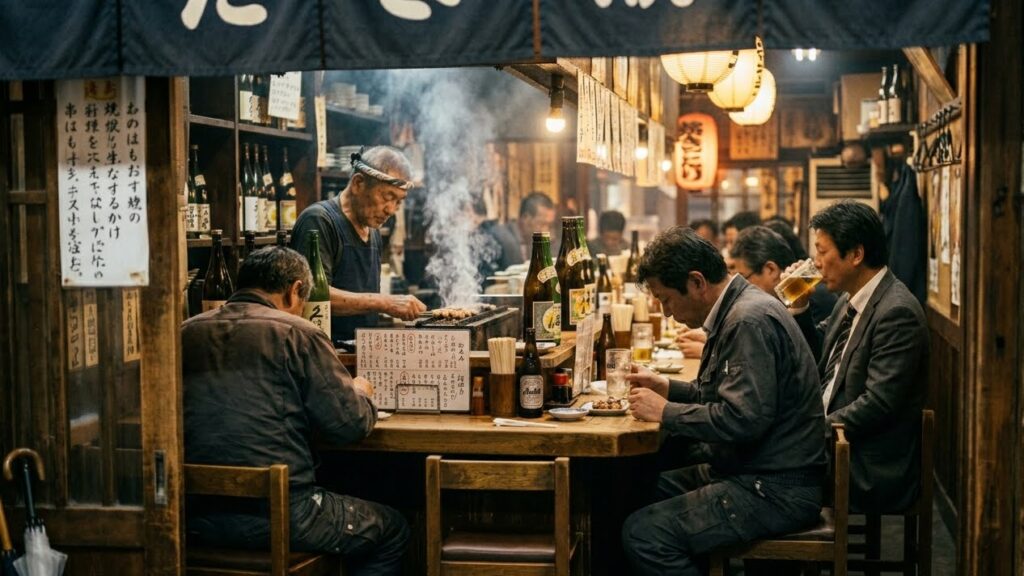
When you walk into an izakaya, you’re not walking into an empty room that’s waiting for you to fill it. The place was already alive. The regular at the end of the counter has been there since six. The owner has been cooking since five. The particular smell of that charcoal, the sound of that one loose floorboard near the entrance, the way the light sits at this hour — all of that existed before you arrived.
こう考えてほしい。居酒屋に入るとき、あなたのために空っぽで待っていた場所に入るわけではない。その場所はすでに動いていた。端の常連は6時からいる。大将は5時から仕込んでいる。その炭の匂い、入り口の緩んだ床板の音、この時間の光の落ち方——そのすべてが、あなたが来る前からあった。
The otoshi marks your entry into something that was already in motion. You’re part of this now. The space is shared.
お通しは、すでに動いているものへの参加を示す。あなたもこの場の一部になった。場を共有している。
Why is it hard to refuse? Because refusing means rejecting the terms of entry. You’re not at a restaurant that exists to serve you. You’re at someone’s place, and they’ve acknowledged you. Refusing the otoshi would be a little like a guest waving away the tea that’s been poured for them.
なぜ断りづらいか。断ることは、この場への参加を拒否することになるからだ。あなたを「お客様」として迎えるレストランとは違う。ここは誰かの場所で、大将はあなたの存在を認めた。お通しを断るのは、出されたお茶を手で払いのけるようなものだ。
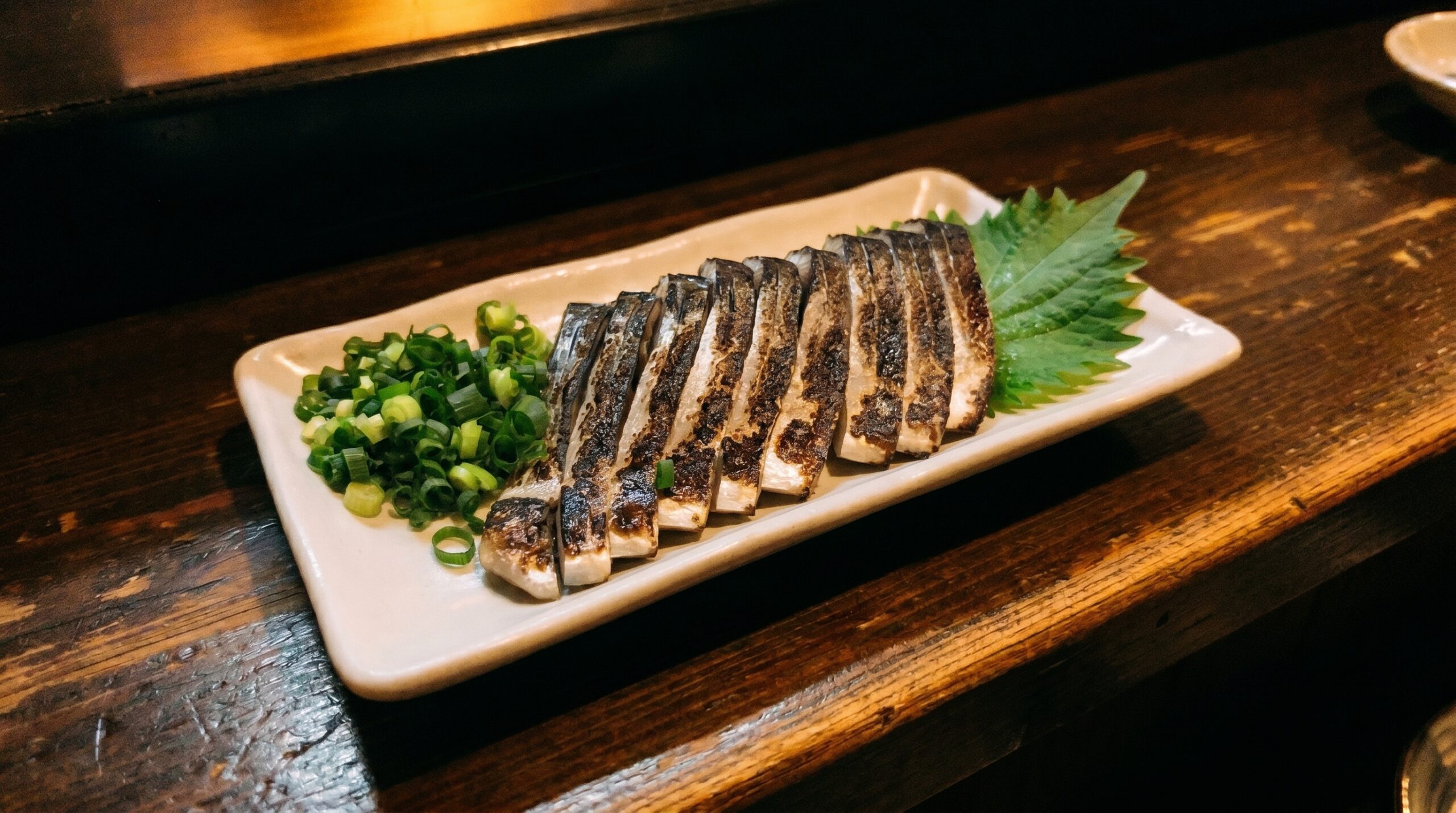
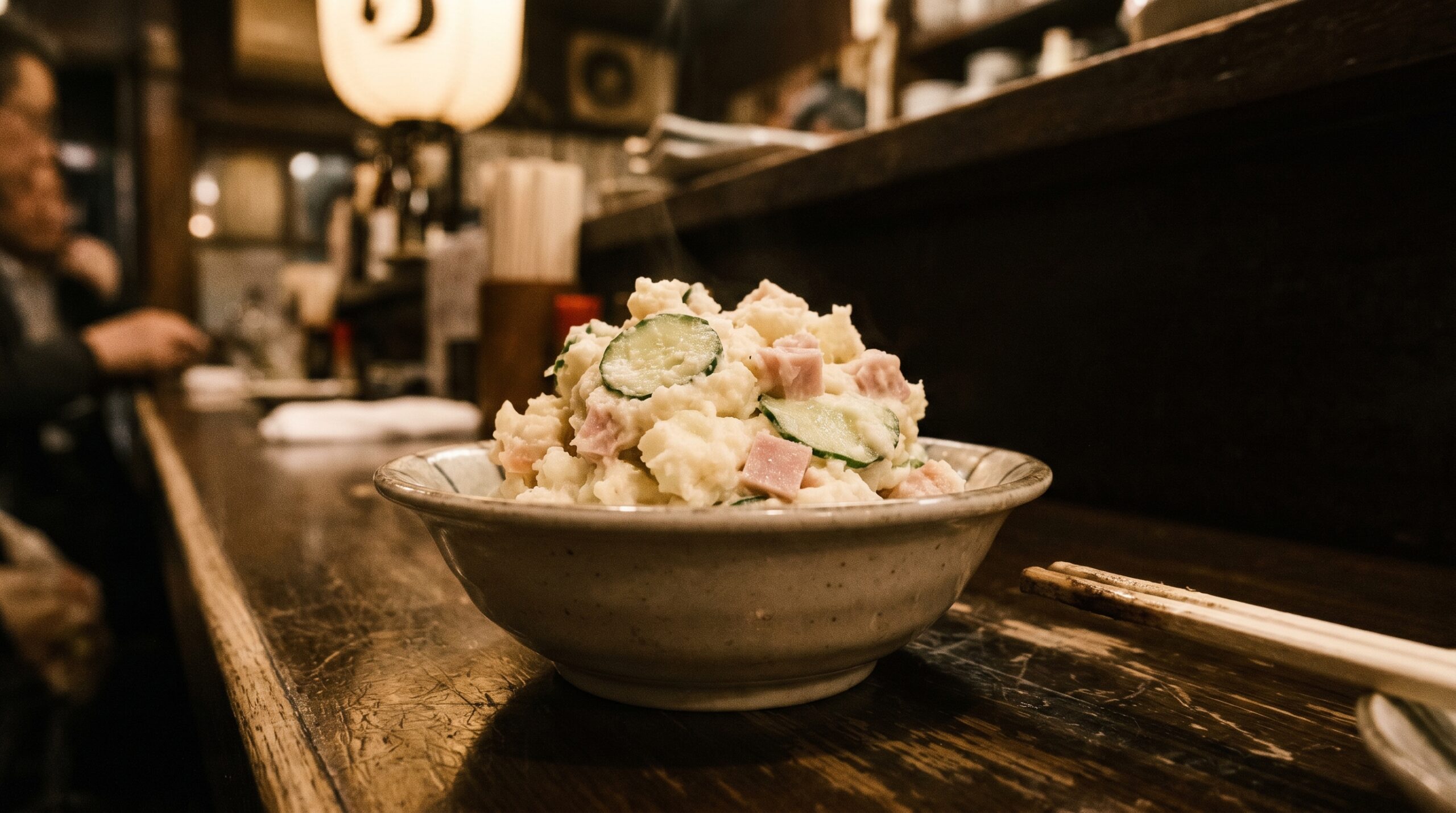
I’ve been paying for otoshi for twelve years across three cities. In Nagoya, it was usually something pickled. In Fukuoka, often a small fish dish. In Tokyo, it varies — sometimes careful, sometimes clearly from a bag in the back.
12年間、3つの街でお通しを食べてきた。名古屋では漬物が多かった。福岡では小魚のことが多かった。東京はまちまちだ。丁寧な店もあれば、明らかに業務用のものもある。
The quality of the otoshi tells you something about the kitchen. But that’s secondary. What matters is the gesture. Someone thought about what to put in front of you before you arrived. That thought — however small — is what you’re paying for.
お通しのクオリティは厨房について何かを教えてくれる。でもそれは副次的なことだ。大事なのはその行為だ。あなたが来る前に、目の前に何を出すかを誰かが考えた。その「考え」に対して払っている。どんなに小さくても。
I don’t think about it anymore. When the dish arrives, I pick up my chopsticks. Some nights it’s good. Some nights it’s just there.
Either way, it means I’m in.
もう考えなくなった。小皿が来たら箸を取る。美味しい夜もある。ただそこにある夜もある。
どちらにしても、自分がその場に入れたということだ。




Leave a Reply