Category: The Rituals
-
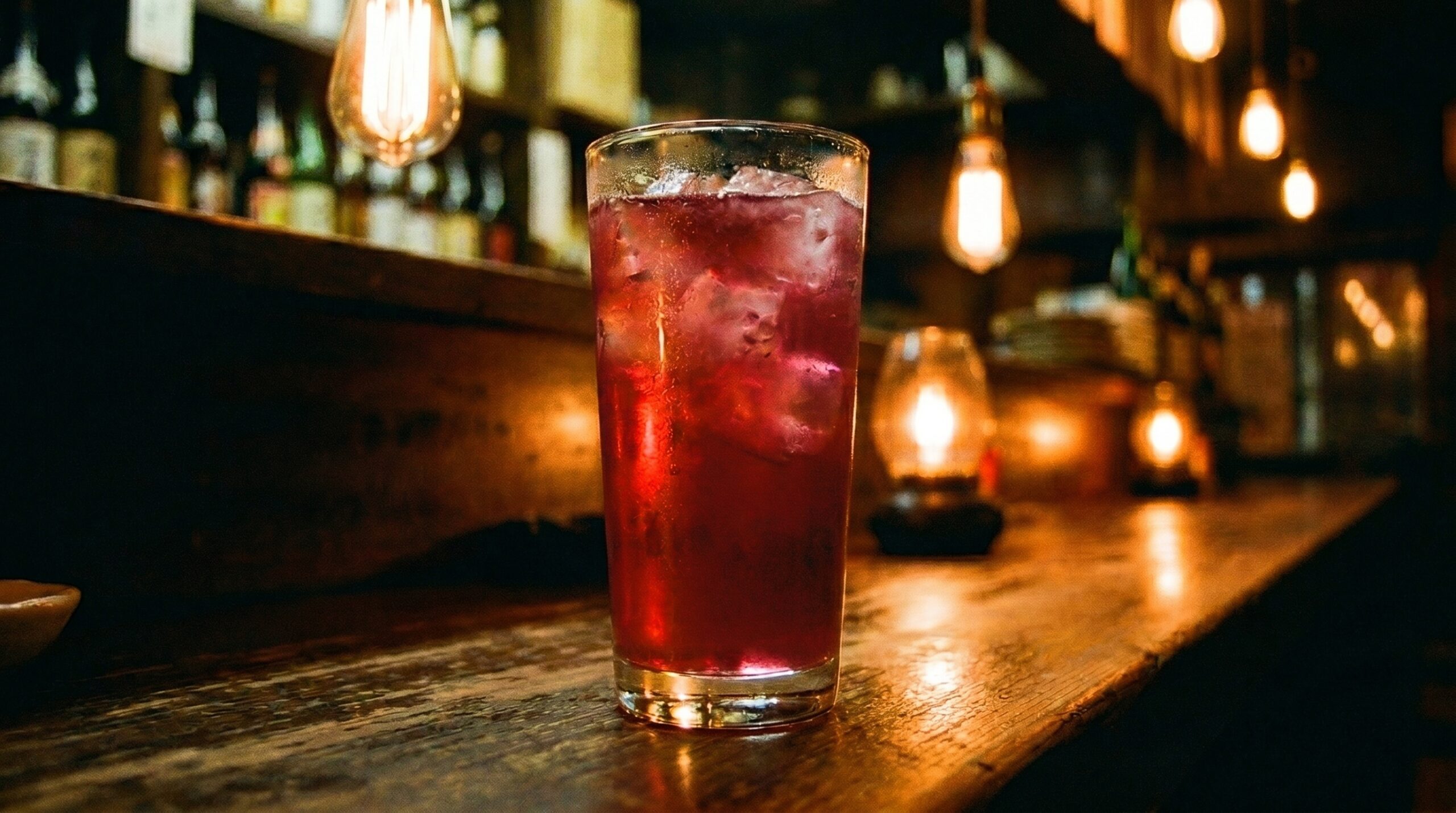
Baisu Sour: The Drink Almost Nobody Outside Tokyo Has Heard Of
Baisu sour is shochu mixed with a red shiso and plum vinegar concentrate. It’s not sweet. It’s not sour in the way lemon sour is. It’s something else — tart, herbal, faintly medicinal. If you’ve had it, you know.
-
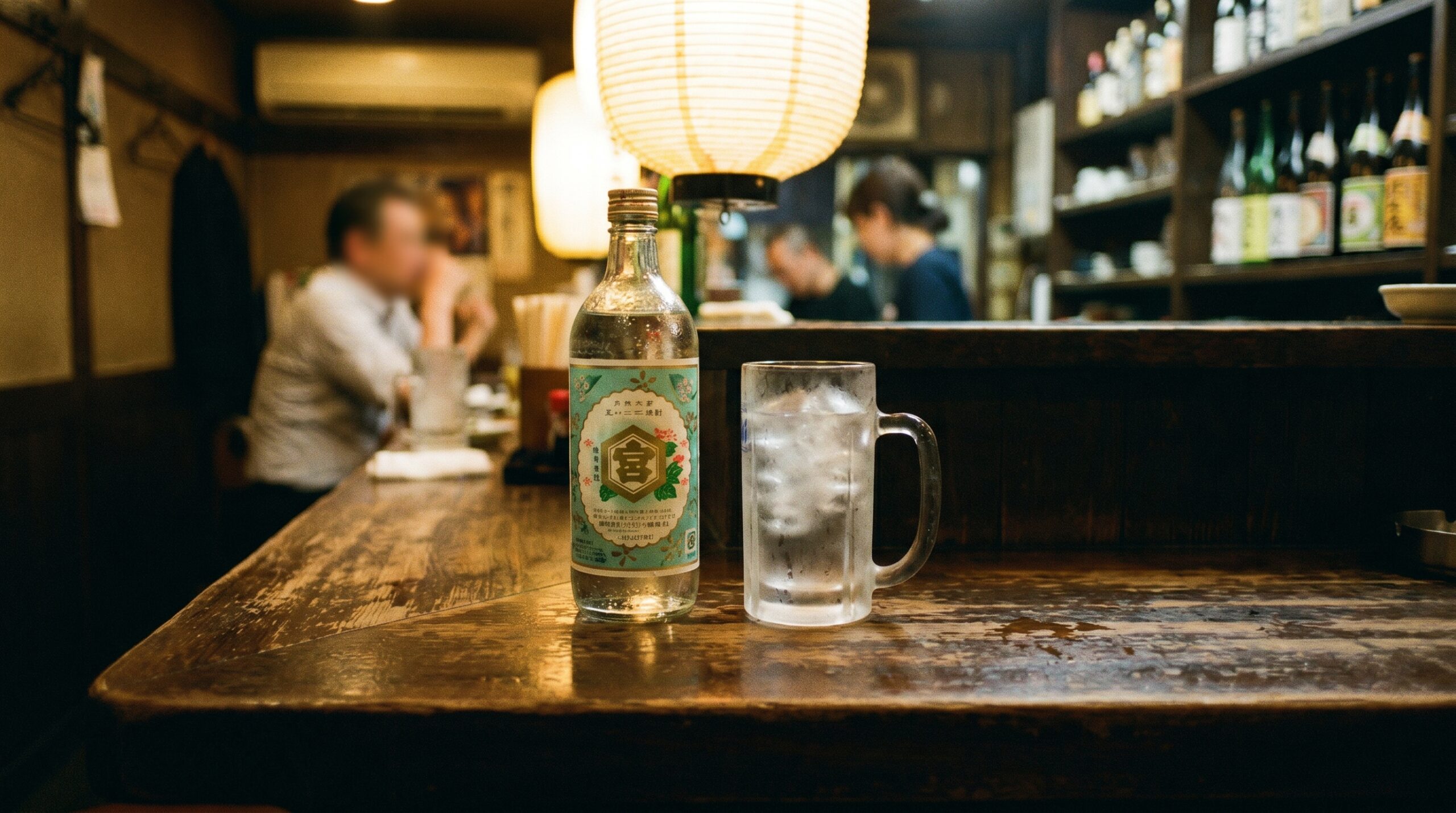
Kinmiya: The Shochu That Became the Working-Class Standard
Kinmiya Shochu has no strong flavor of its own. That’s not a flaw. It’s the point. It goes with everything. It costs less than premium spirits. It’s been at the same kind of counter for sixty years.
-
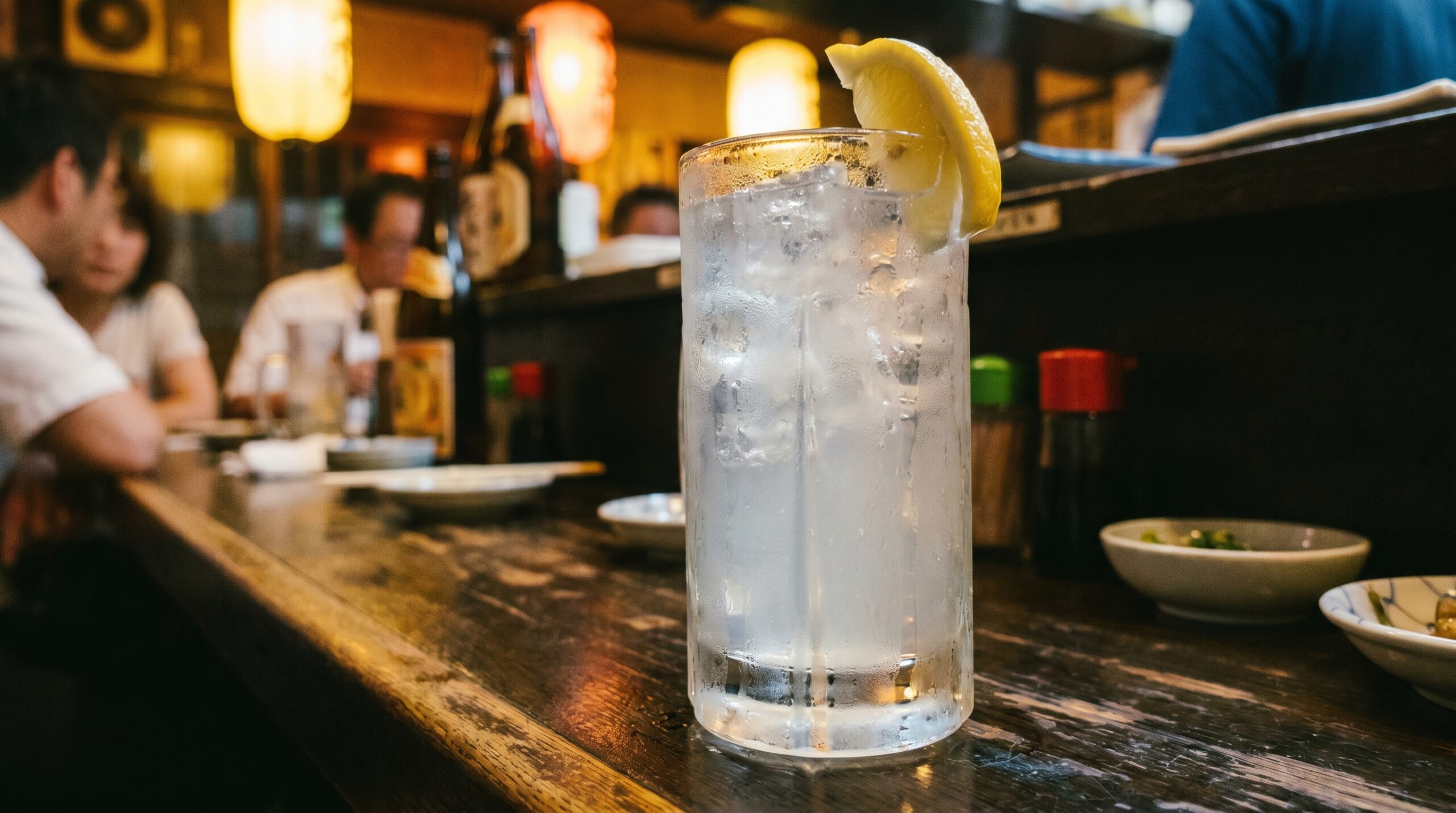
Lemon Sour: Japan’s Default Drink, and What That Means
Lemon sour is everywhere now. Every izakaya has it, every convenience store sells it in a can. That’s not a problem. It just means you have to pay attention to who makes it well.
-
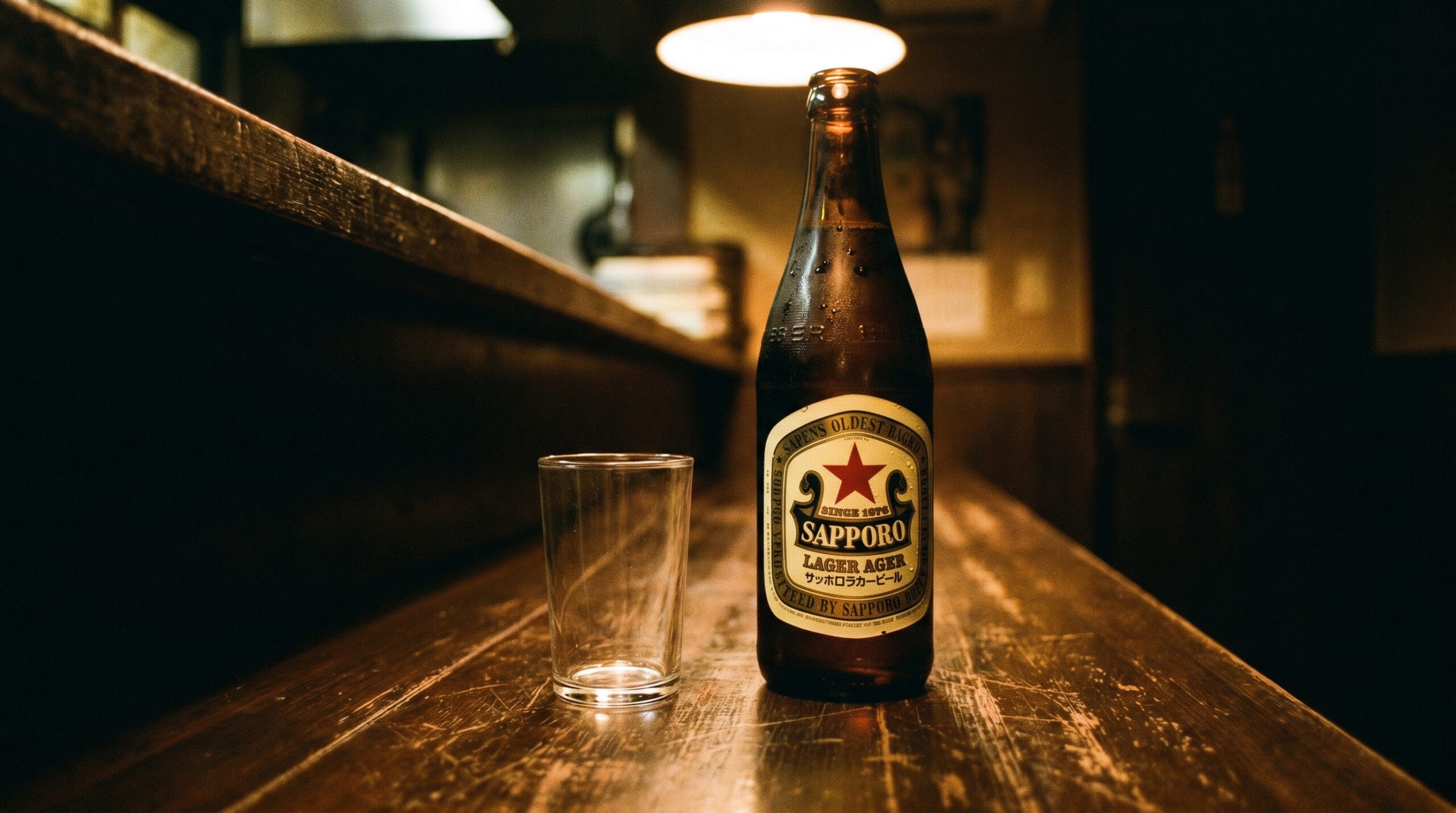
Akaboshi: The Beer That Tells You What Kind of Place You’re In
Akaboshi is Sapporo Lager in the bottle — the one with the red star. You don’t find it everywhere. Where you find it, it means something.
-
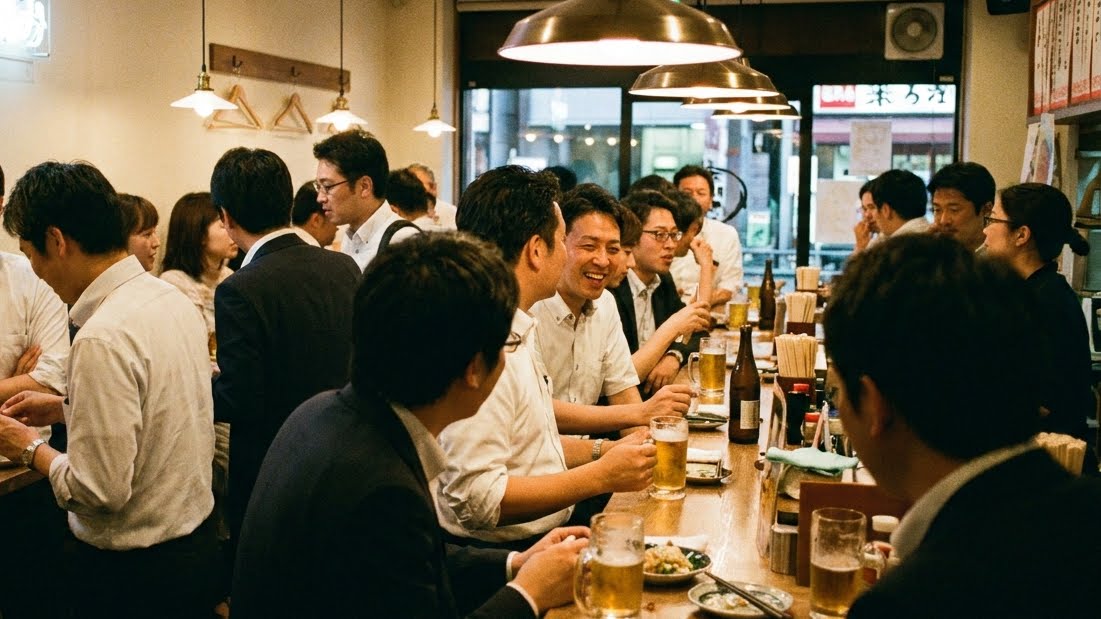
Tachinomi: Why Standing Changes Everything
In Japan, standing is not a compromise. Standing is the format. The experience is designed around it — and it changes everything from the exit to the hierarchy.
-
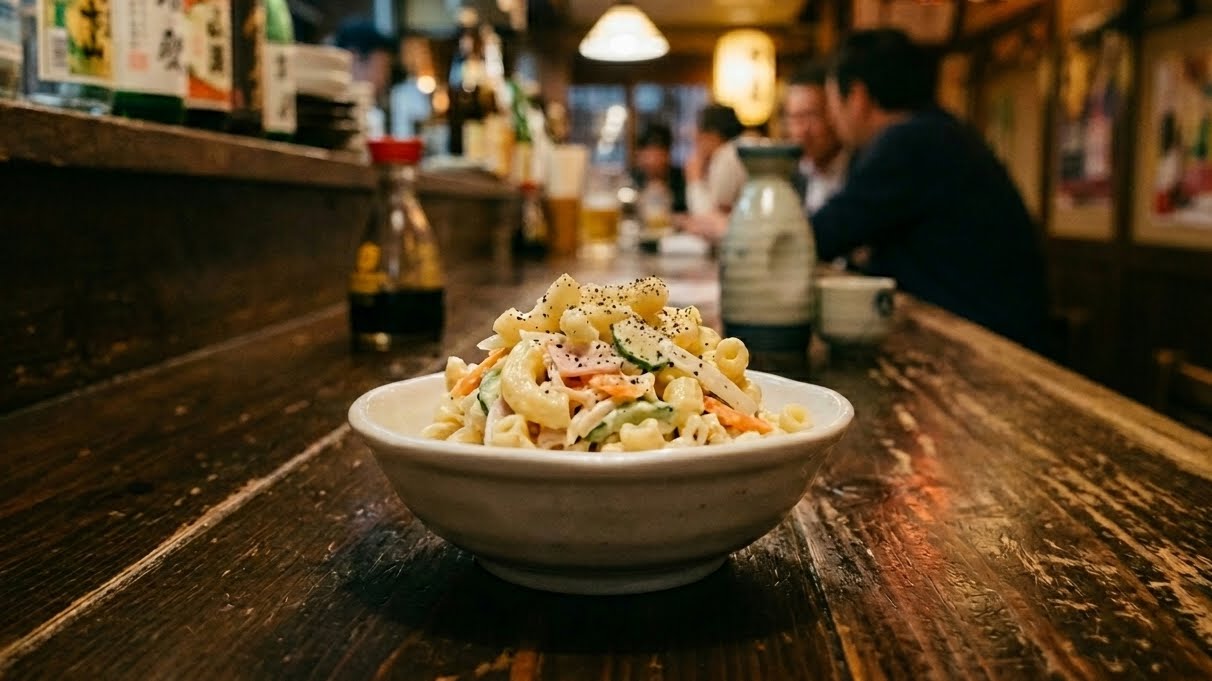
Macaroni Salad: The Dish That Reveals a Kitchen
Nobody orders izakaya macaroni salad expecting it to be memorable. I order it at every new place I visit. One bite tells you whether the kitchen made it or opened a bag.
-
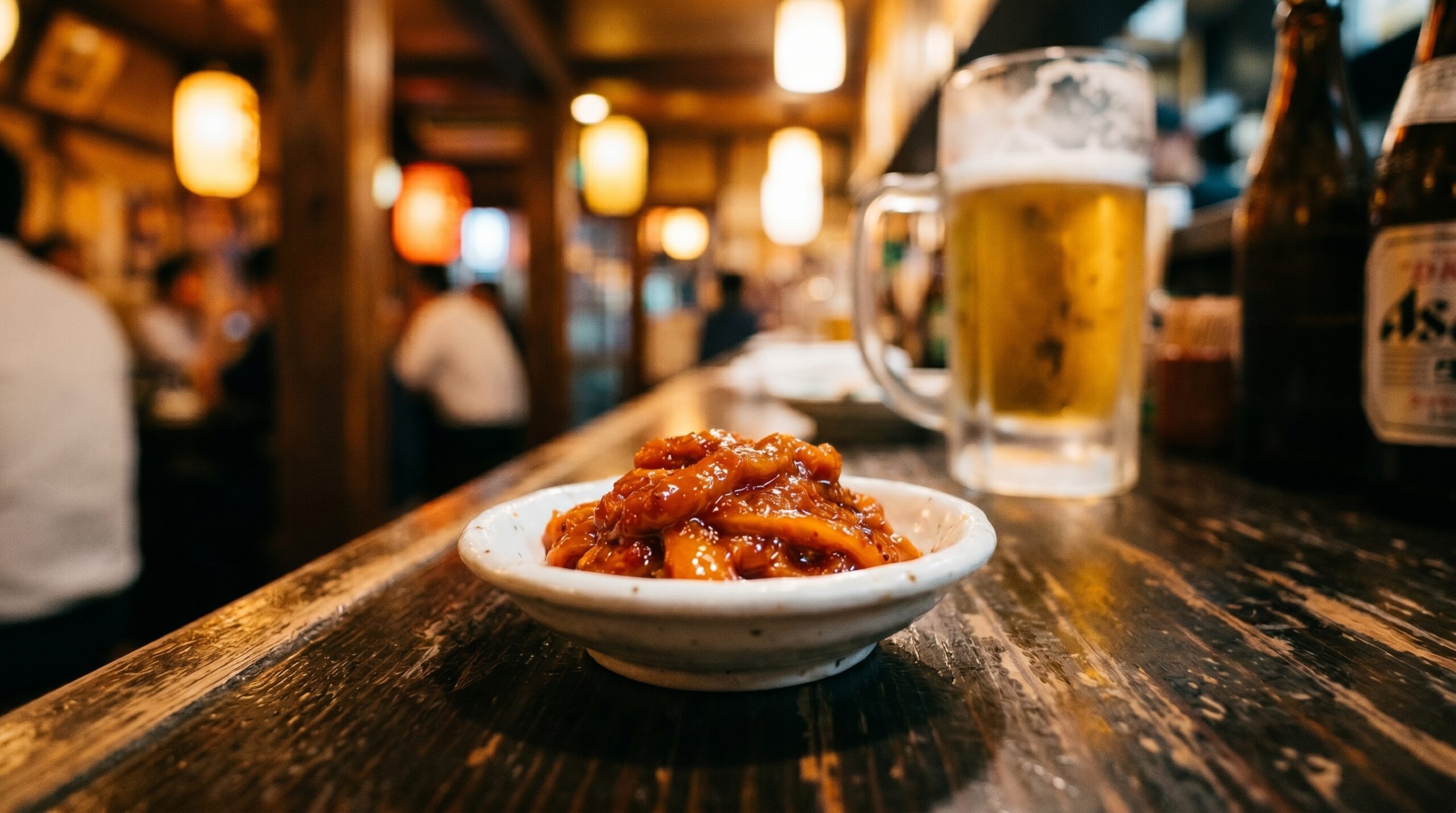
Chanja: The Dish That Tells You You’re in the Right Place
Chanja is fermented cod entrails. Most izakayas don’t have it. When I see it on the menu, something in me relaxes. A place that carries chanja has made a decision.
-
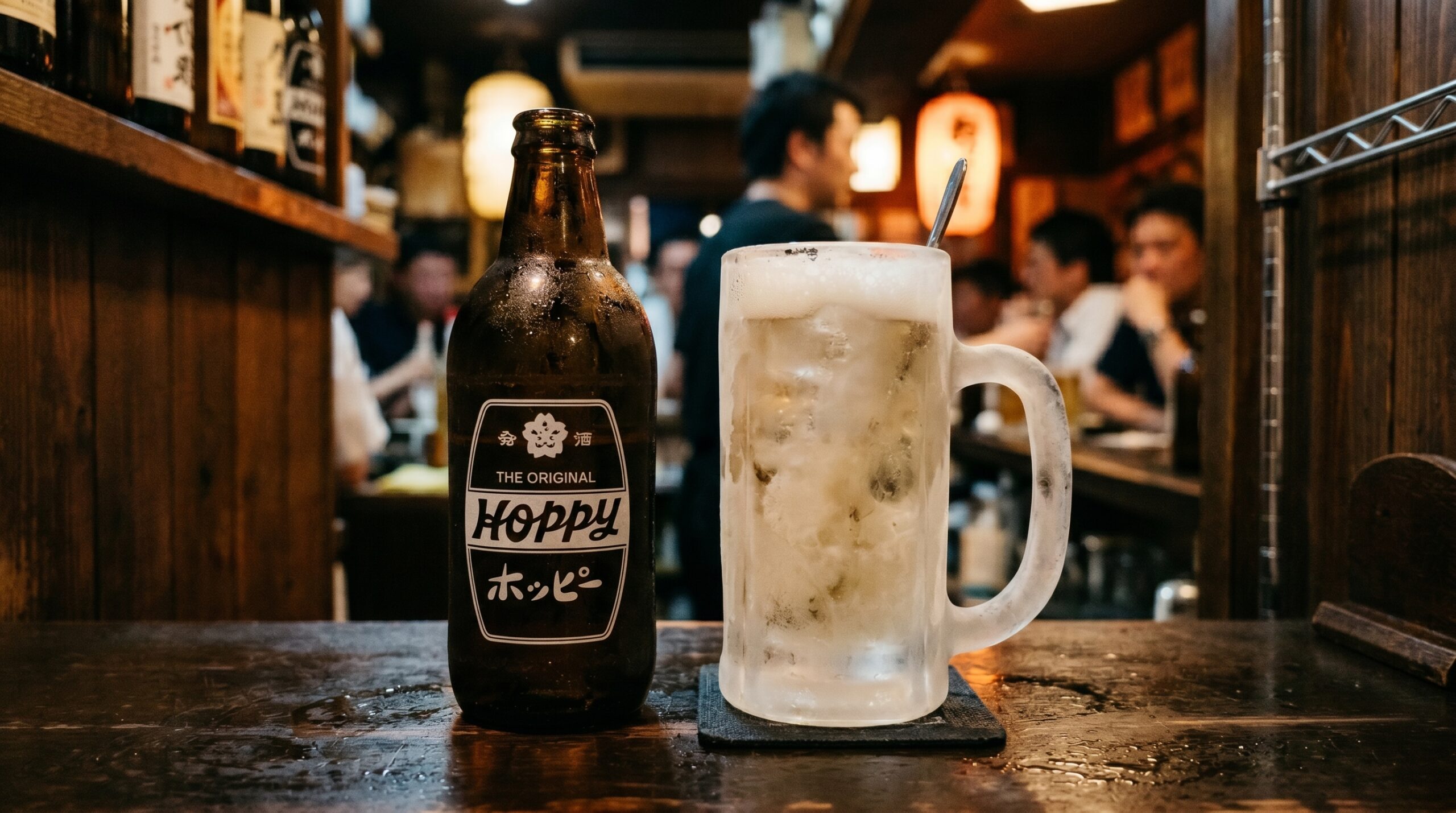
Hoppy: The Drink That Tests Whether a Place Knows What It’s Doing
Hoppy has been around since 1948. It never became fashionable. It never went away. I order it first at new places — not because I want it, but because the response tells me things.
-
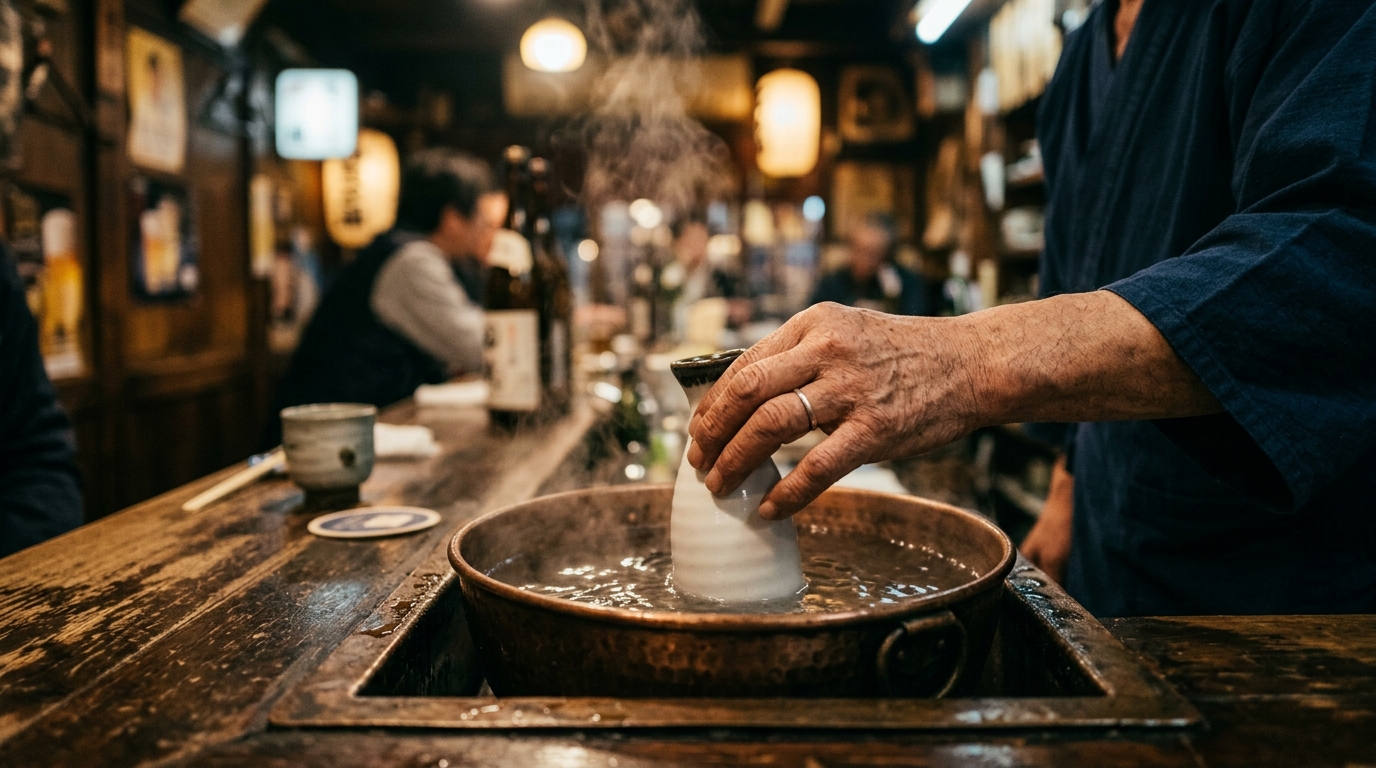
Sake Temperature: Why Warm Is Not a Compromise
Outside Japan, warm sake has a reputation. People say it hides flaws. They’re wrong — and a little bit right. The question is what you want the sake to do.
-
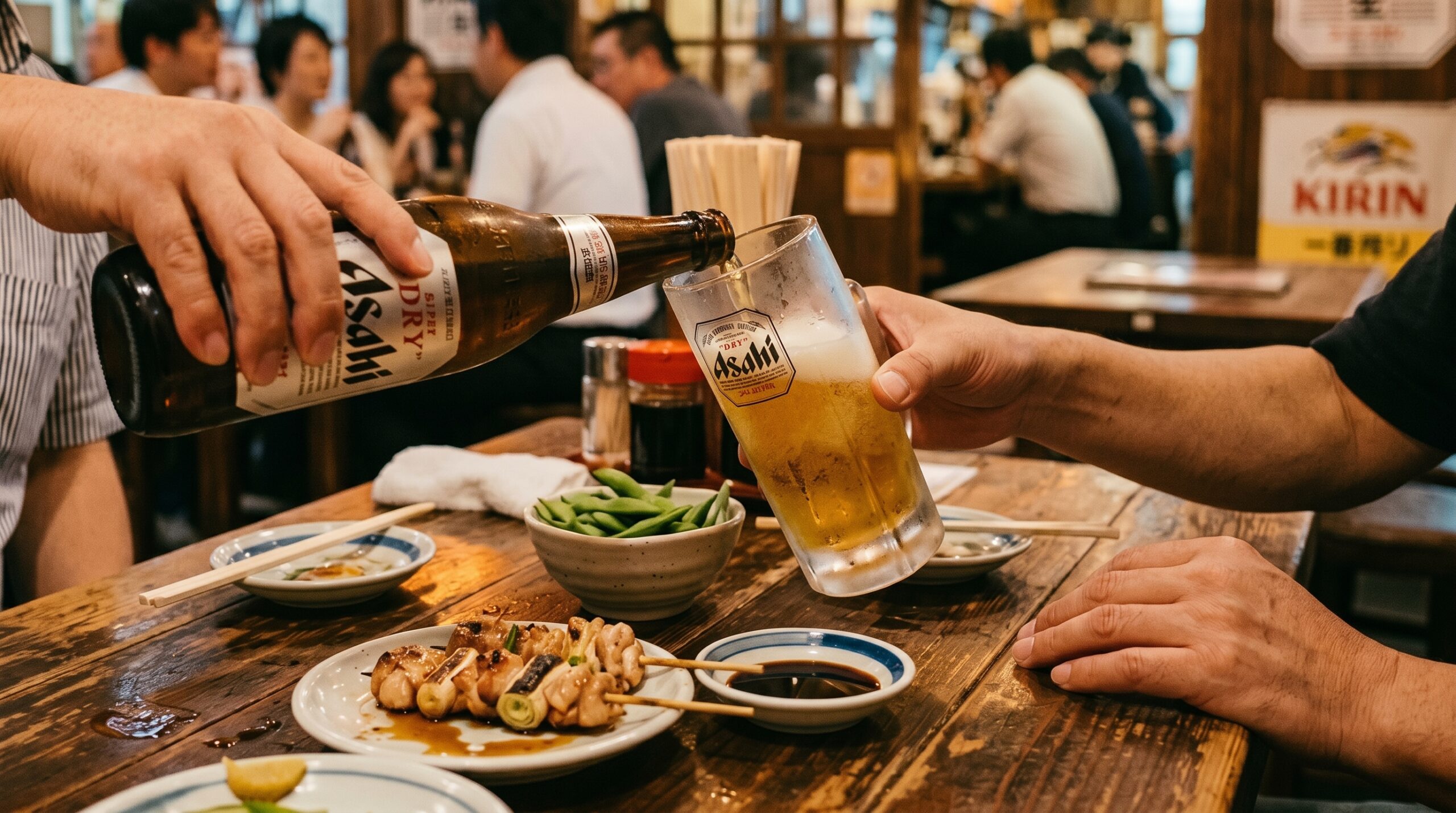
Oshaku: Why You Never Pour Your Own Drink
His glass was empty. He reached for the bottle and poured himself. The table went slightly quiet. He’d been transferred from overseas. Three months in Tokyo. Still learning.