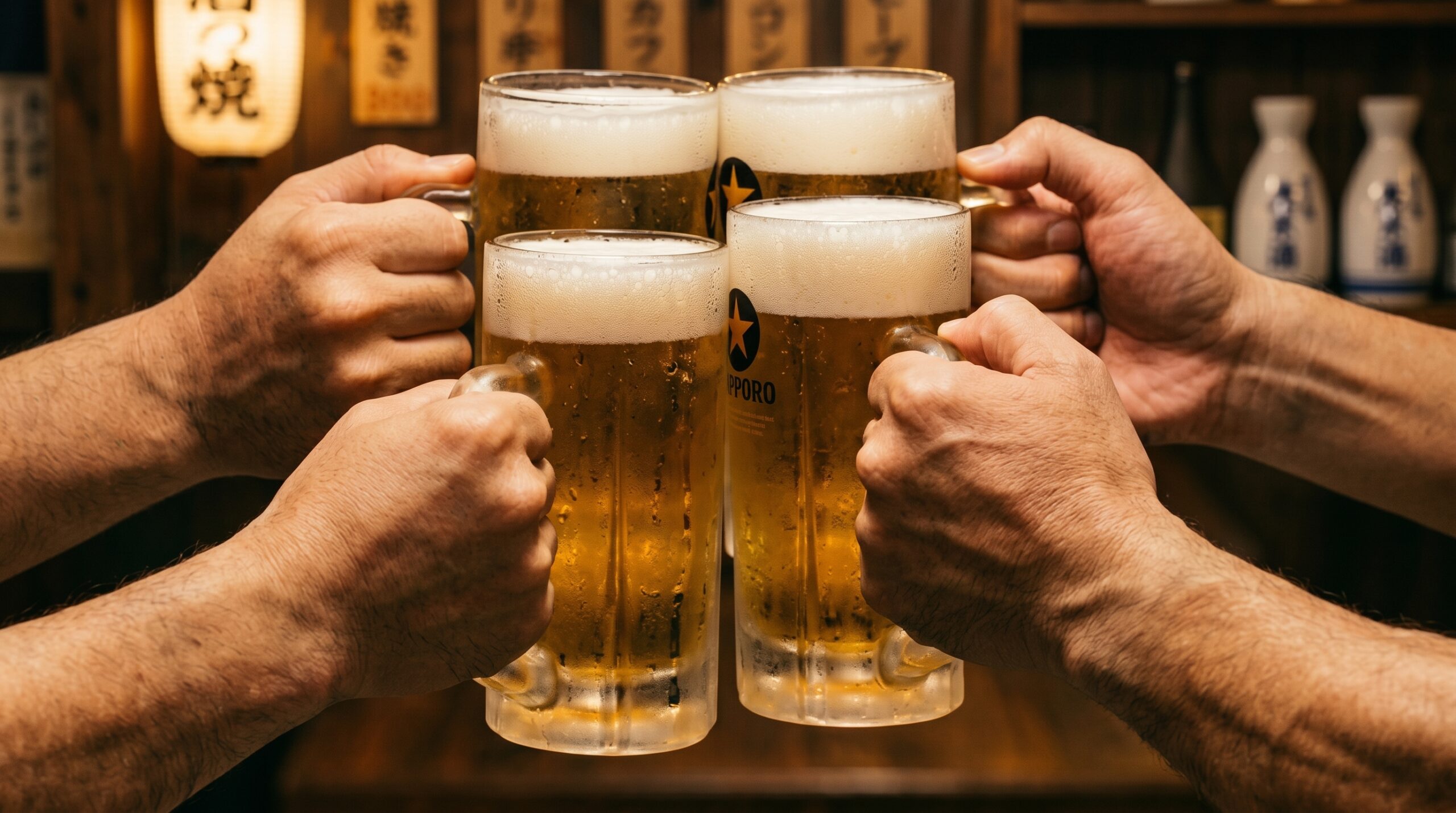
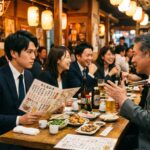
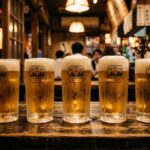
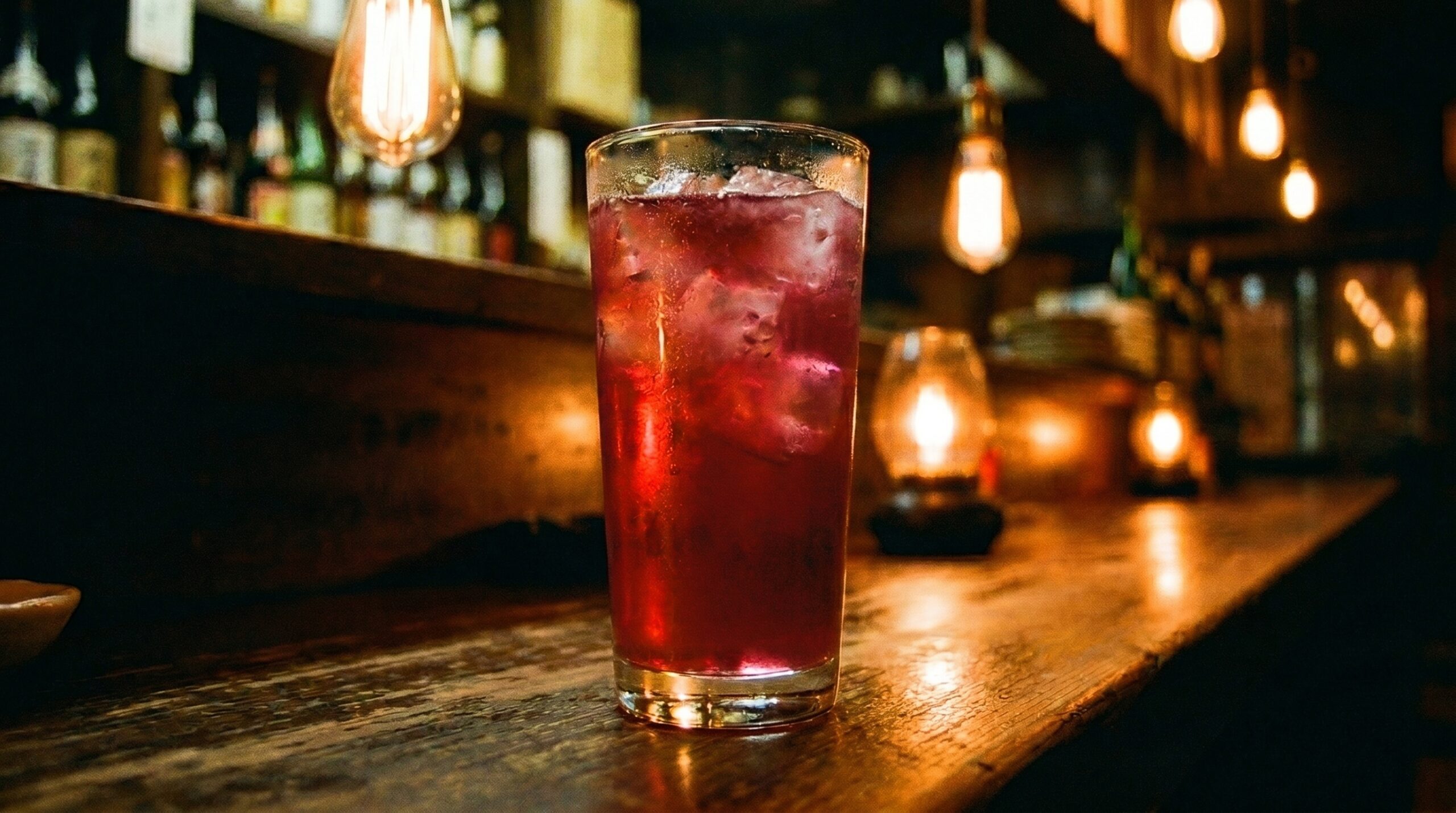
The beers arrived. Four of them, placed around the table in quick succession. One man — I could tell by the way he reached for his glass and then stopped himself — had been thirsty since at least three in the afternoon. He’d been in back-to-back meetings. He wanted that beer badly.
Nobody drank. They waited.
The word came. Kanpai. Then they drank.
ビールが来た。4杯、テーブルに素早く並んだ。一人——グラスに手を伸ばして止めた動きでわかった——少なくとも午後3時から喉が渇いていた。会議が続いていたのだろう。そのビールが本当に飲みたかった。
誰も飲まなかった。待った。
言葉が来た。乾杯。それから飲んだ。
Kanpai is usually translated as “cheers.” But cheers, in English, is optional. You can drink without it. At a bar alone, you raise your glass to nobody in particular and that’s fine. Kanpai is not optional. Drinking before kanpai at a group table in Japan is a social error — not catastrophic, but noticed. The kind of mistake that gets quietly stored.
乾杯は「cheers」と訳されることが多い。でもcheersは英語では任意だ。言わなくても飲める。一人でバーにいるとき、誰にともなくグラスを上げても構わない。乾杯は任意ではない。日本のグループの席で乾杯前に飲むのは社会的な失敗だ——致命的ではないが、気づかれる。静かに記憶される種類の失敗。
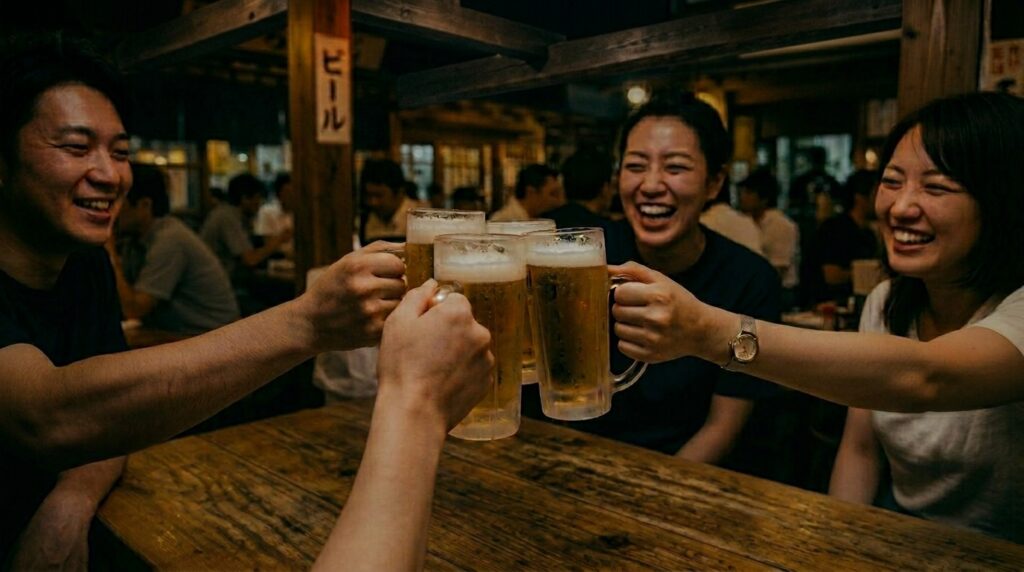
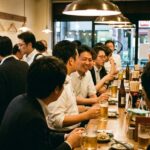
What kanpai actually does is synchronize the table. For a moment — just the moment of the toast — everyone in the group is doing the same thing at the same time. The day is paused. Whatever happened before walking into this place is set aside. The evening begins now, together, with this gesture.
It is, in a small way, a reset.
乾杯が実際にしていることは、テーブルの同期だ。一瞬だけ——乾杯の瞬間——グループの全員が同じことを同時にしている。一日が止まる。この場所に入る前に何があったかは、棚に上げられる。今夜はここから始まる。一緒に。このしぐさとともに。
小さな意味で、リセットだ。
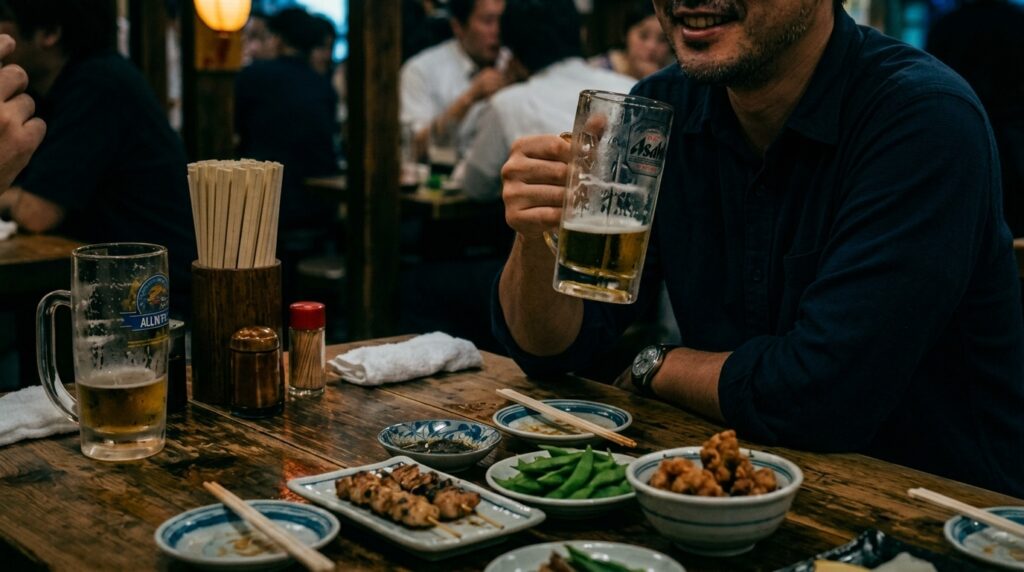
The thirsty man drank half his glass in the first sip. Nobody commented. That was fine — kanpai had happened, the rules had been observed, and what came after was his own business.
The ritual makes the release possible.
喉が渇いていた男は、最初の一口でグラスの半分を飲んだ。誰もコメントしなかった。それで構わない——乾杯は済んだ、ルールは守られた。その後は彼自身の問題だ。
それがこの論理だ。儀式が、解放を可能にする。

Leave a Reply