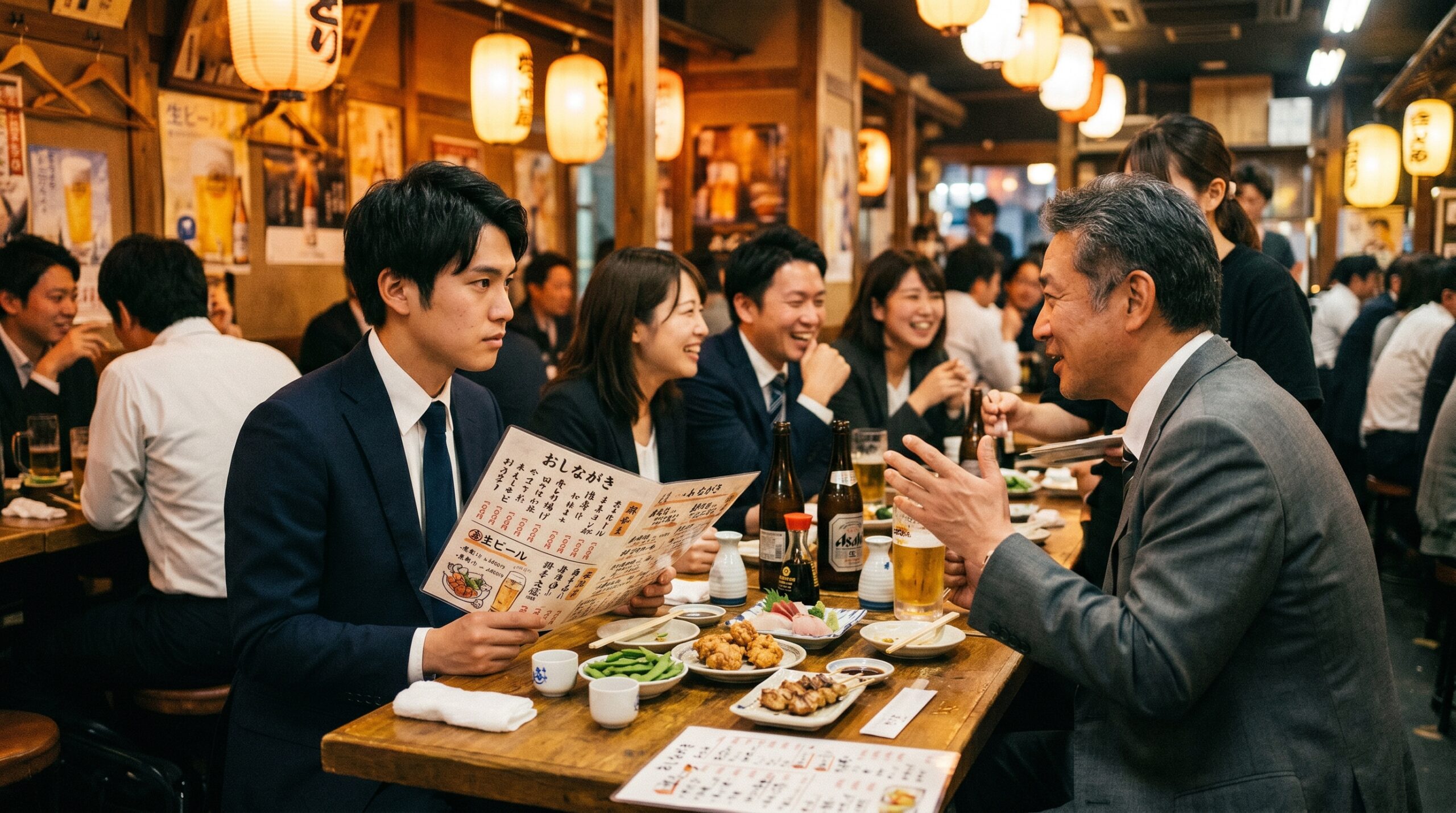
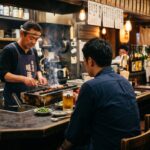
The youngest person at the table ordered last. He also chose the second cheapest item on the menu — not the cheapest, which would have been too obvious. When the server asked if anyone wanted another drink, he waited to see if his manager reached for the menu first.
Nobody told him to do any of this. He already knew.
テーブルで一番若い人間が最後に注文した。メニューの中で二番目に安いものを頼んだ——一番安いものは露骨すぎる。追加注文を聞かれたとき、上司がメニューに手を伸ばすのを確認してから動いた。
誰も教えていない。彼はすでに知っていた。
This is enryo. The word is usually translated as “restraint” or “reserve,” but those don’t quite get it. Enryo is the active, conscious suppression of your own preferences out of consideration for the people around you. It’s not shyness. It’s not indecision. It’s a social calculation, live at every table, every round.
これが遠慮だ。「restraint(自制)」や「reserve(控えめ)」と訳されることが多いが、少し違う。遠慮とは、周りへの配慮として、自分の好みを意識的に抑えることだ。内気でも優柔不断でもない。グループのテーブルで誰かが注文するたびに、静かに動いている社会的な計算だ。
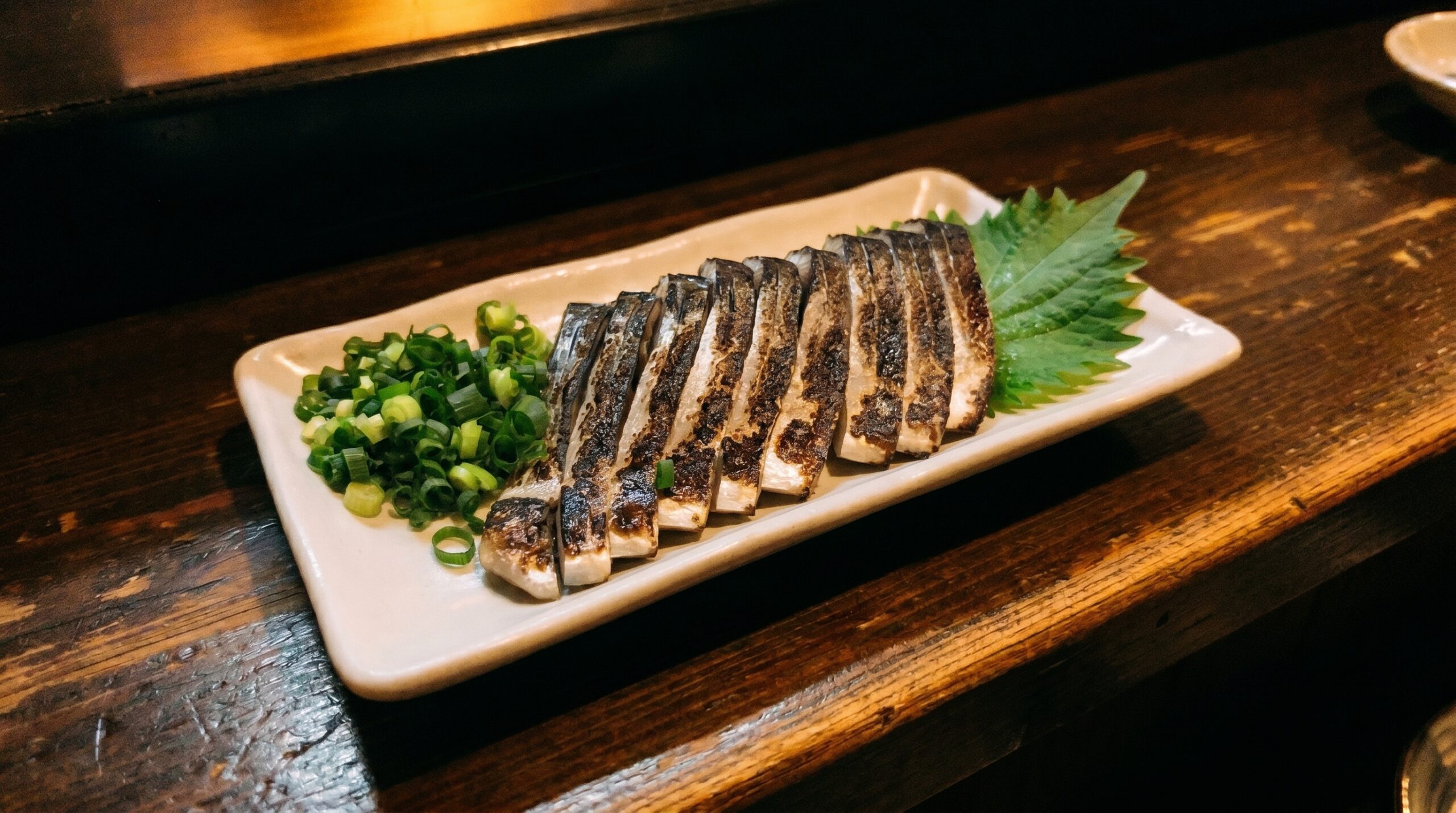
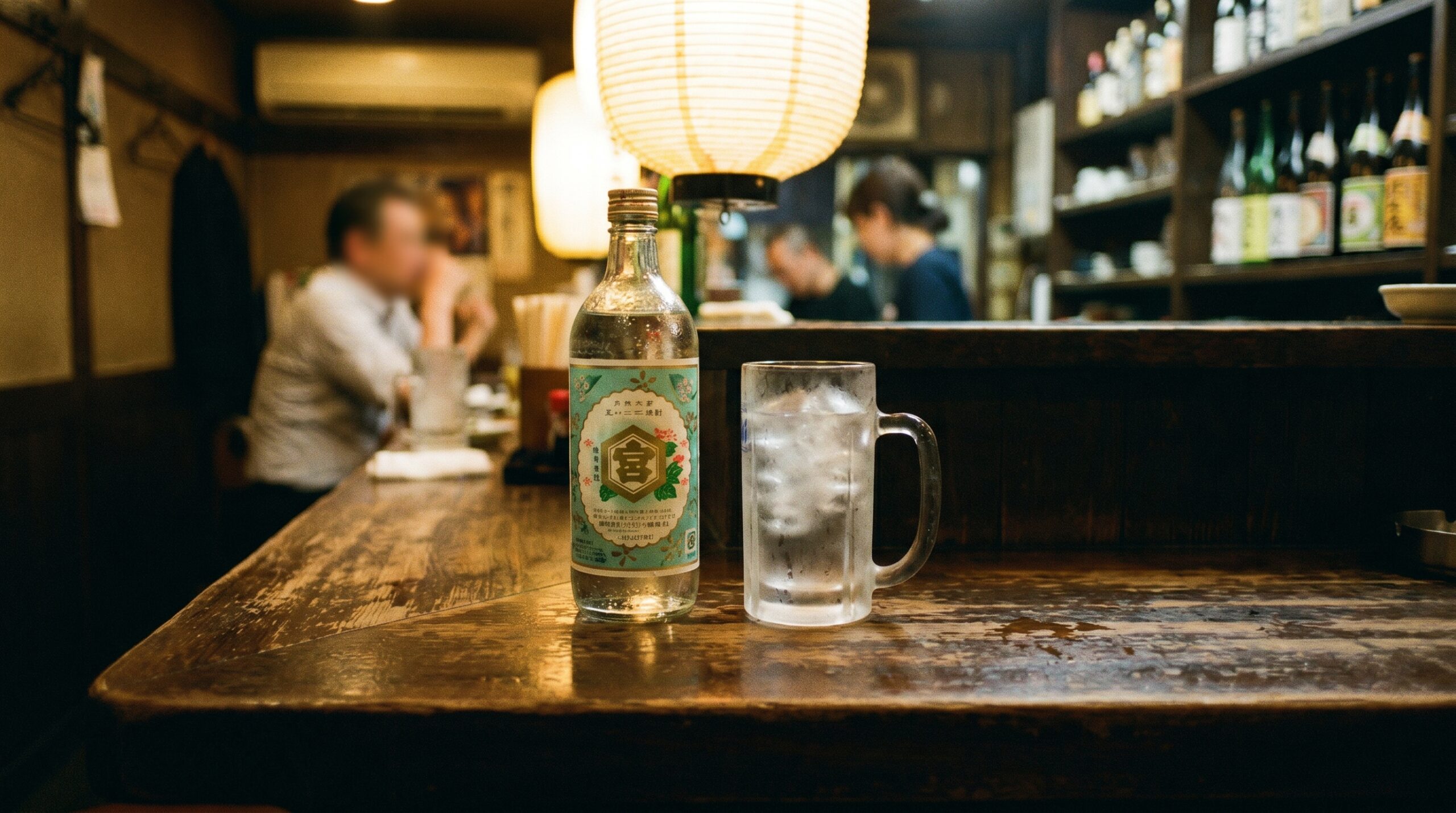
The hierarchy at a Japanese work drinking party is not posted anywhere. There are no name tags with titles, no assigned seats, no one officially in charge of the evening. And yet everyone in the room knows the order. Who speaks first. Who pours whose beer. Who does not order the expensive sashimi platter, even if they want it, because they are twenty-four years old and it is not yet their turn to want things like that.
日本の職場の飲み会に、序列は書かれていない。役職入りの名札もなく、指定席もなく、その夜を仕切る人間が公式に決まっているわけでもない。それでも、部屋にいる全員が順序を知っている。誰が最初に話すか。誰が誰のビールを注ぐか。高い刺身の盛り合わせを、たとえ食べたくても頼まない人間が誰か——24歳で、そういうものを欲しがる番ではまだないから。
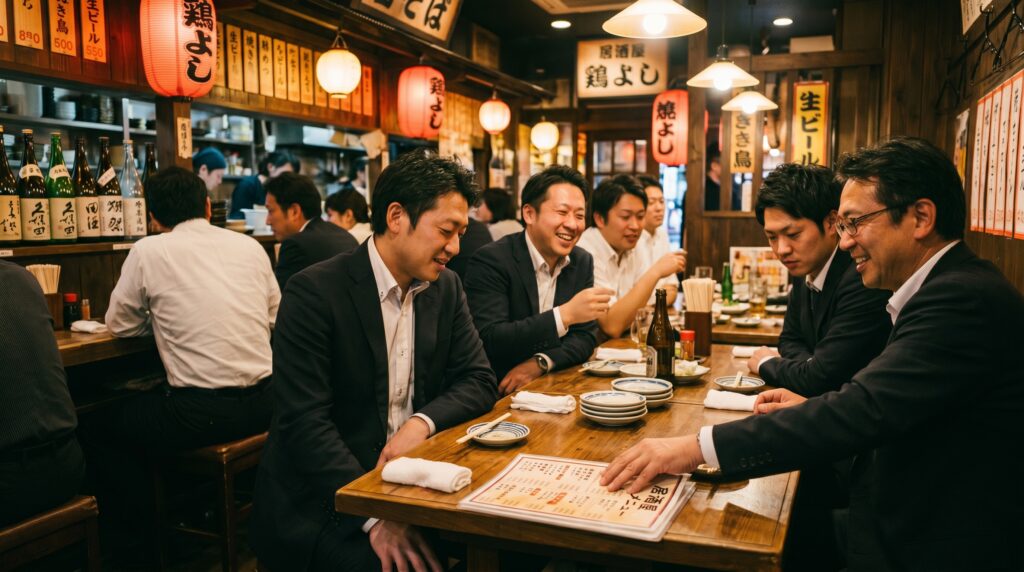
From the outside, this looks like people being overly polite. It isn’t, quite. Enryo runs both directions. You hold back; so does everyone else. The evening runs smoothly. Nobody asks for too much. Nobody has to say no.
外から見ると、過剰に礼儀正しい人たちに見える。少し違う。遠慮は相互配慮のシステムだ——全員が自分の好みを少しずつ抑えることで、摩擦なくグループが動く。うまく機能すれば、誰も強制された感じがしない。場がスムーズに流れる。誰も多くを求めない。誰も断る必要がない。
When it doesn’t work, you get a different kind of evening — one where someone orders exactly what they want, speaks when they feel like it, pours their own drink before anyone else’s. It’s not a disaster. But everyone notices. And the noticing doesn’t go away.
うまく機能しないとき、別の種類の夜になる——誰かが食べたいものをそのまま頼み、思ったときに話し、他の人より先に自分のグラスに注ぐ夜だ。破滅ではない。でも全員が気づく。そして、その気づきは消えない。
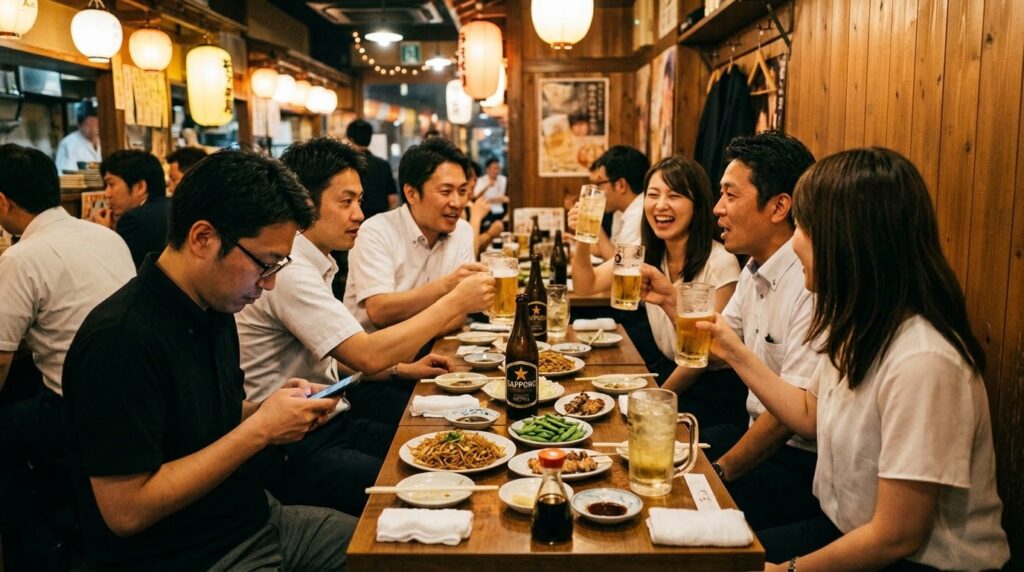
For the first ten years of my career, I was the one ordering second. Watching. Waiting for the right moment to reach for the menu.
Now I’m usually the one who gets poured for first. I try to remember what that felt like — the calculation, what it cost.
このテーブルの両側に座ってきた。社会人最初の10年は、二番目に注文する側だった。観察して、メニューに手を伸ばす適切なタイミングを待っていた。
今は大抵、最初に注いでもらう側だ。あの感覚を忘れないようにしている——計算すること、それにかかる小さな日々のコストを。
The young man ordered his second cheapest item. The evening moved forward. At the end of the night, his manager said he’d done well at the client meeting that week.
That was the return on investment.
若い男は二番目に安いものを注文した。夜は進んだ。帰り際、上司がその週のクライアント訪問をよく頑張ったと言った。
それが、投資の回収だった。




Leave a Reply