in

Chanja: The Dish That Tells You You’re in the Right Place

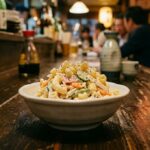
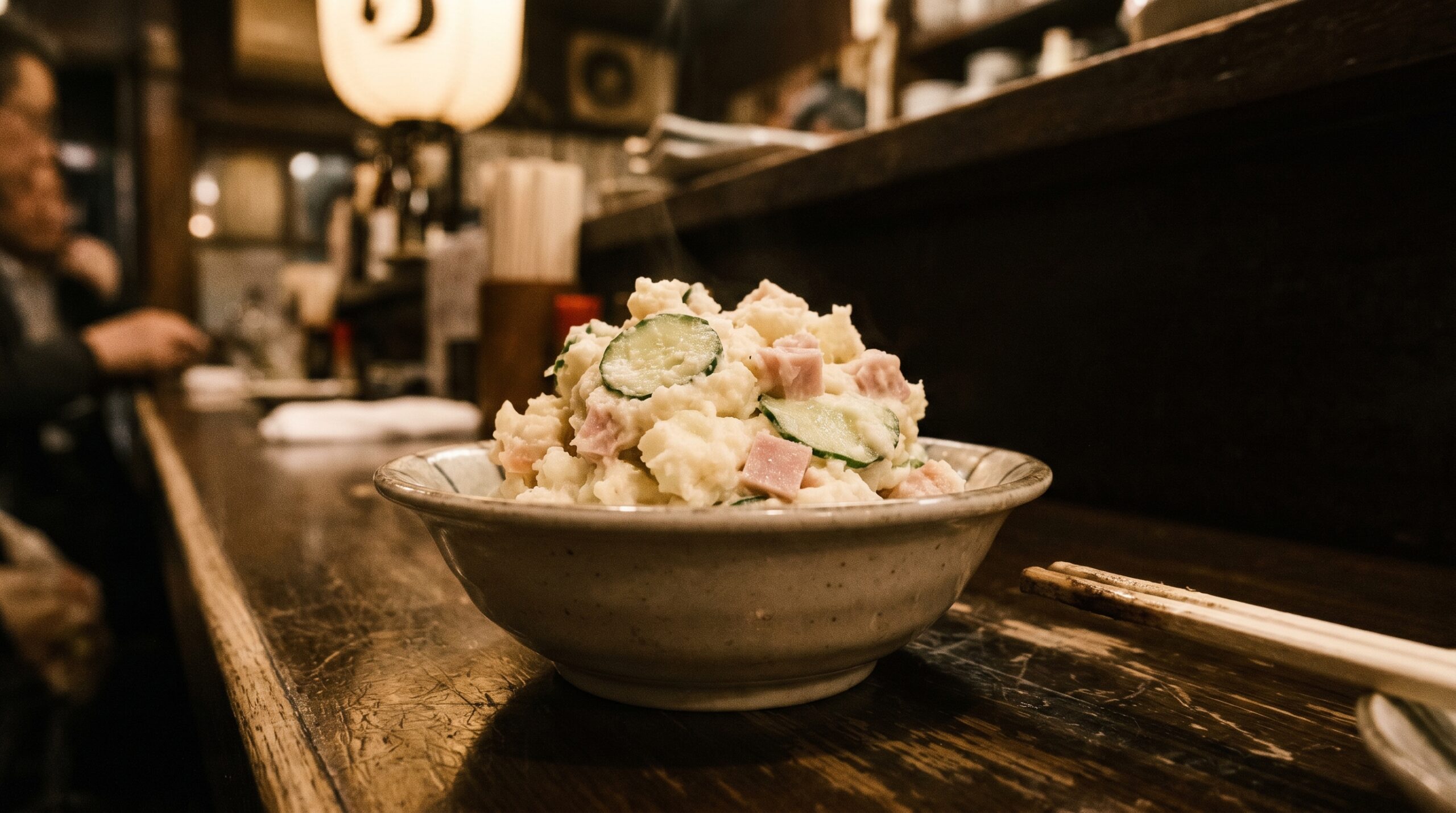
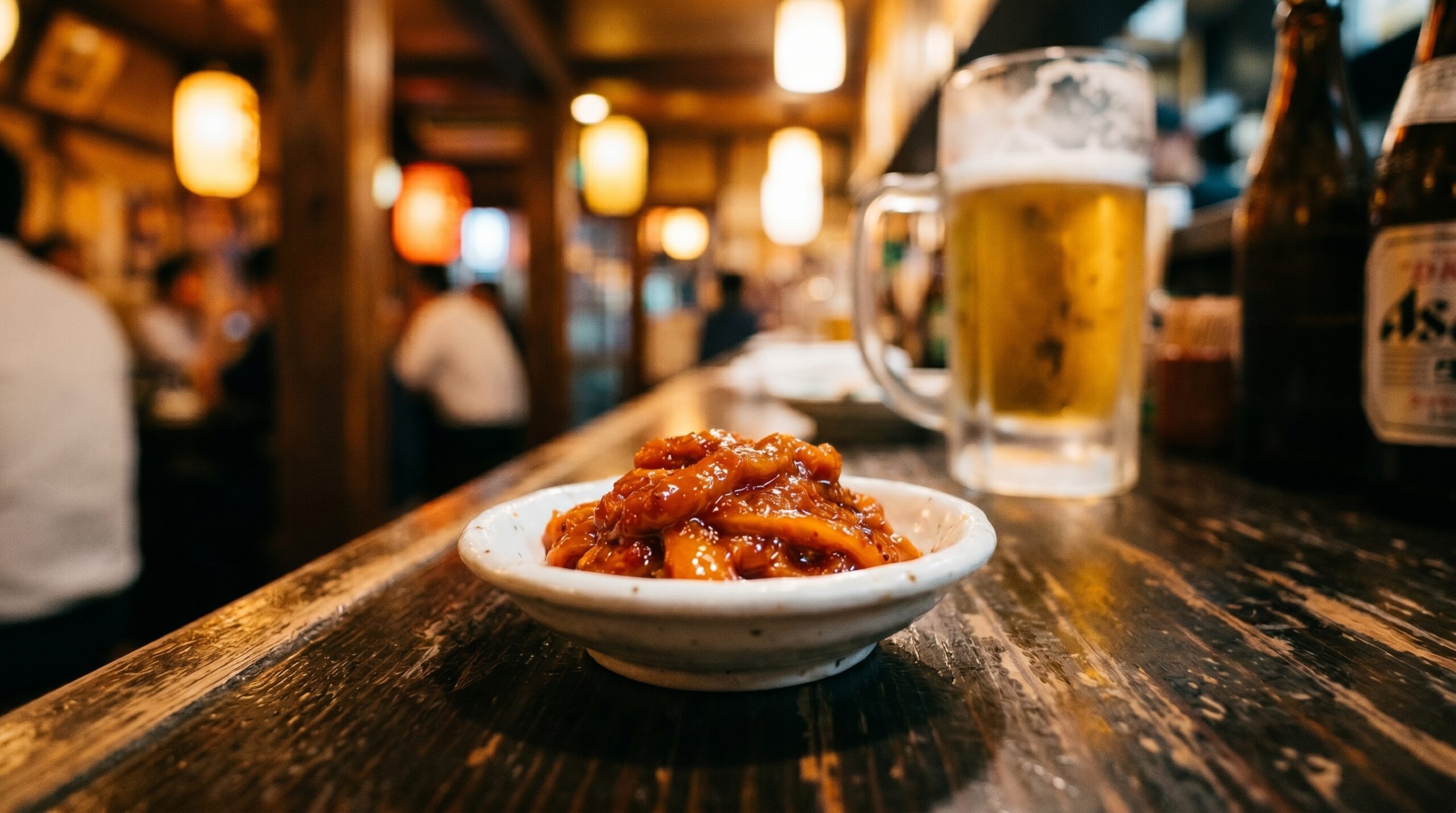
A small dish of chanja — deep orange-red, glistening, fermented cod entrails — in a plain white ceramic dish on a dark izakaya counter. A toothpick beside it. A cold beer glass in the background.

Chanja is salted, fermented cod entrails, spiced with chili. It’s Korean in origin and has been part of Tokyo’s izakaya vocabulary for long enough that most people don’t think about where it came from. It’s intensely flavored: salty, funky, with a heat that builds. A small amount is enough. It’s made to be eaten alongside cold beer or shochu, a few pieces at a time.

Most izakayas don’t have it. When I see it on the menu, something in me relaxes.

チャンジャは、塩漬けにして発酵させたタラ(鱈)の内臓に唐辛子で味をつけたものだ。韓国が起源で、東京の居酒屋の語彙に長く組み込まれているため、多くの人はどこから来たかを考えない。味が強烈だ。塩辛く、クセがあり、じわじわ来る辛さがある。少量で十分だ。冷えたビールや焼酎のつまみとして、少しずつ食べるように作られている。

ほとんどの居酒屋には置いていない。メニューに見つけると、何かが緩む。


Chanja is not a crowd-pleaser. It’s not something you put on a menu because you’re trying to appeal to everyone. It’s a specific thing, for specific people, that requires the kitchen to source it and keep it fresh. A place that has chanja has made a decision: we’re going to carry things that not everyone wants, because the people who want them will keep coming back.

That’s the kind of owner I want to drink with.

チャンジャは万人受けしない。全員に訴えかけようとしてメニューに載せるものではない。特定の人のための特定のものであり、厨房が仕入れて鮮度を保つ手間が要る。チャンジャを置いている店は決断をしている——全員が欲しがるものではないものを置く、なぜならそれを欲しがる人は戻ってくるから。

そういう店主と飲みたい。
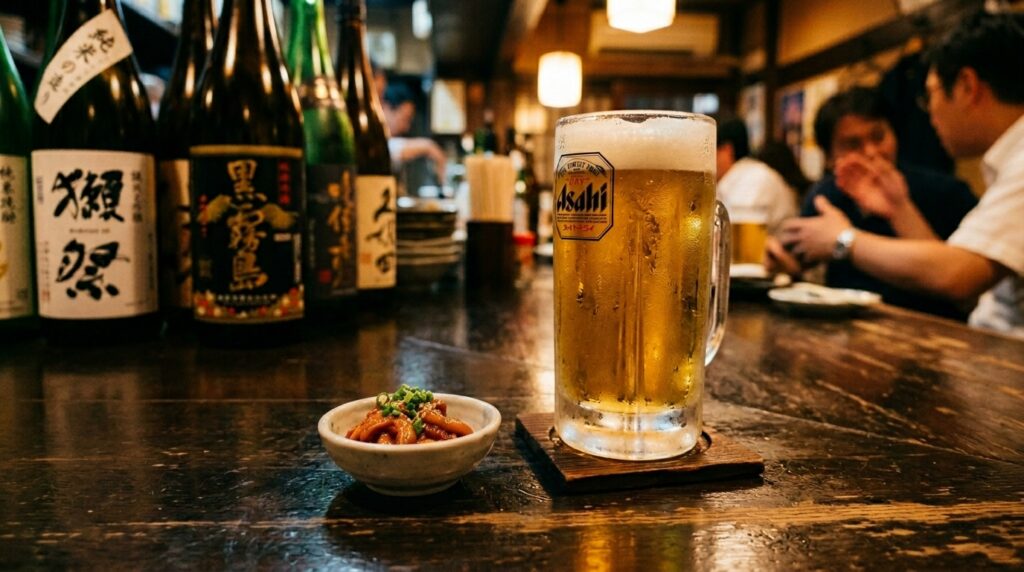

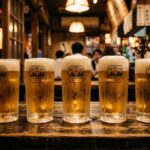
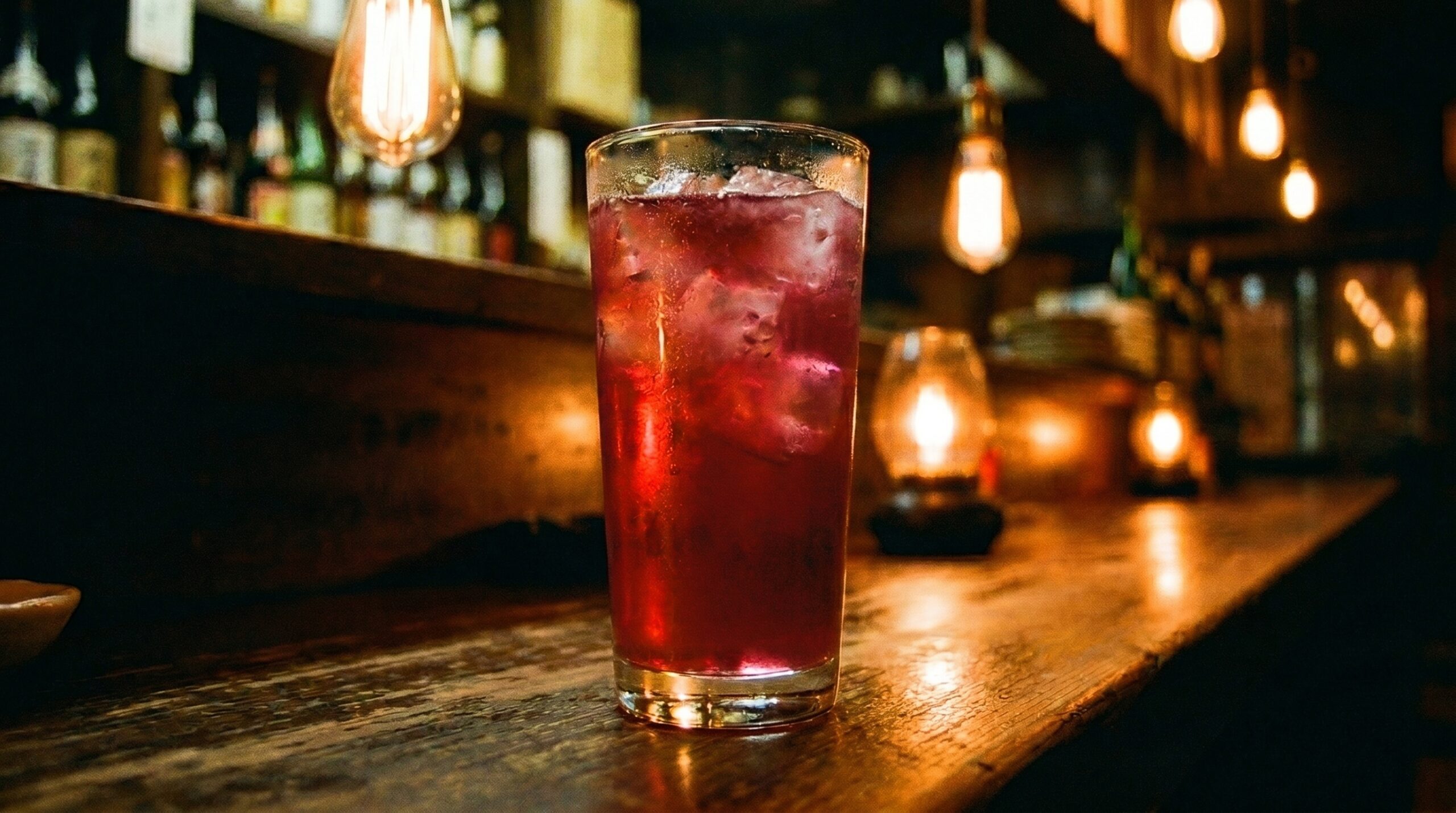
A small dish of chanja beside a glass of cold beer on an izakaya counter. The chanja is deep orange-red. The beer is very cold. These two things belong together in a way that resists explanation.
The combination that doesn’t need explaining.

There’s also the taste itself. Chanja with cold beer is one of the combinations in Japanese drinking culture that I don’t have an explanation for — only that it works completely, that the salt and fermented intensity and the cold bitterness of the beer do something together that neither does alone. I’ve tried to explain this to people who haven’t had it. I’ve failed every time.

Some things require the experience.

味そのものもある。チャンジャと冷えたビールは、日本の飲食文化の組み合わせの中でも、説明できないものの一つだ——ただ完全に機能する、という感覚だけがある。塩気と発酵の強さと、ビールの冷たい苦さが、一緒になると、それぞれ単独ではしないことをする。試したことのない人に説明しようとしたことがある。毎回失敗した。

体験が必要なものがある。
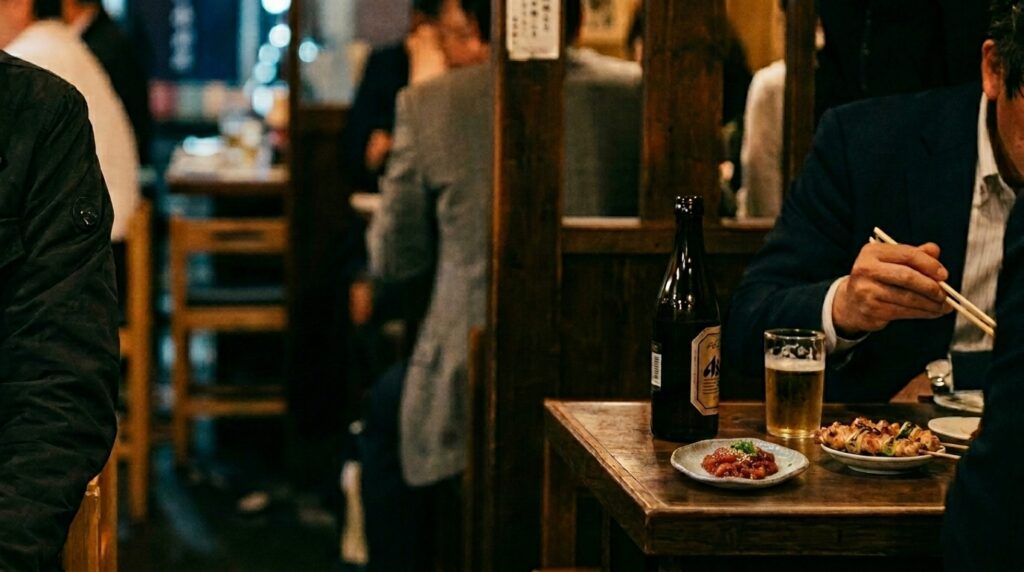

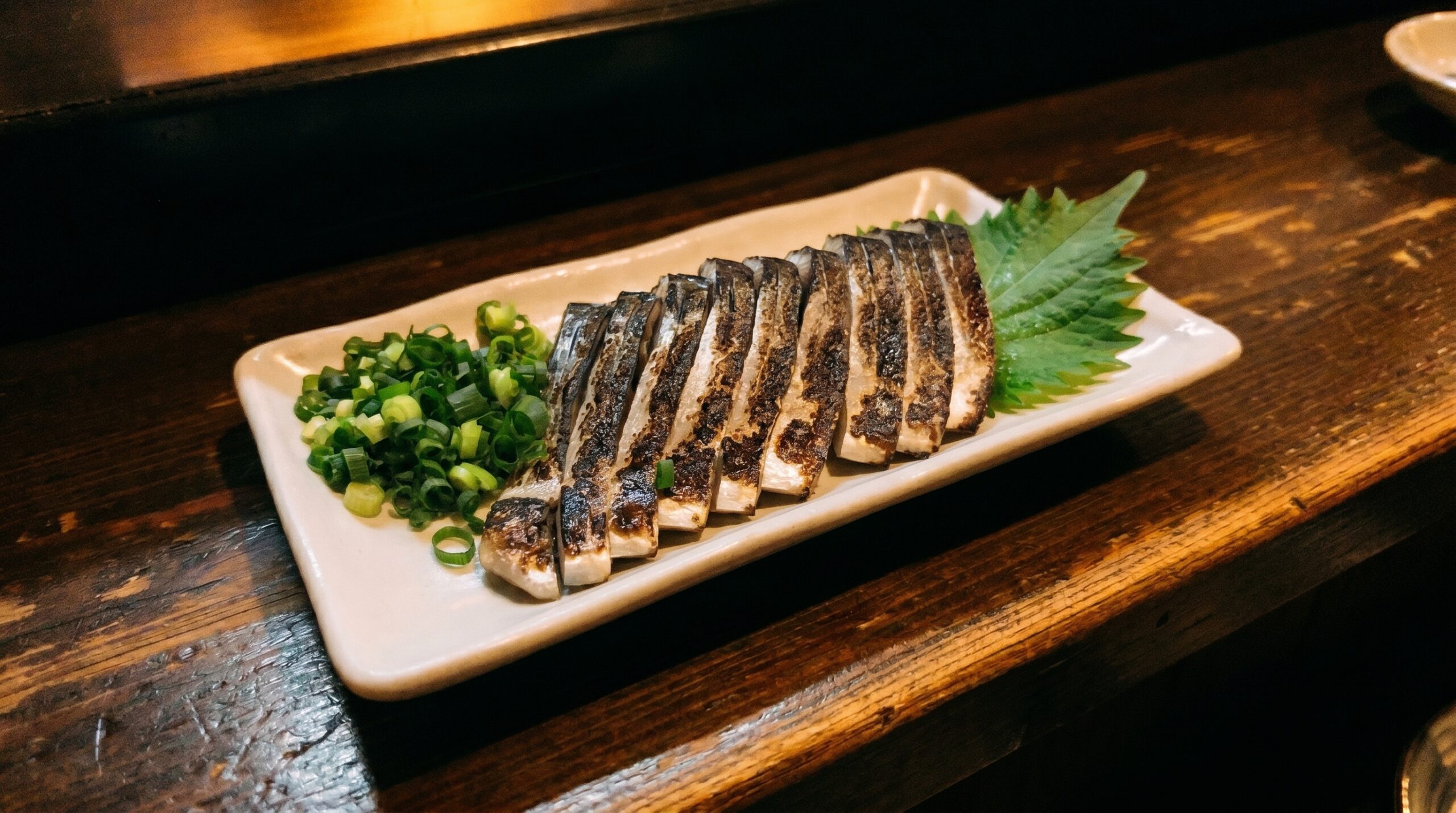
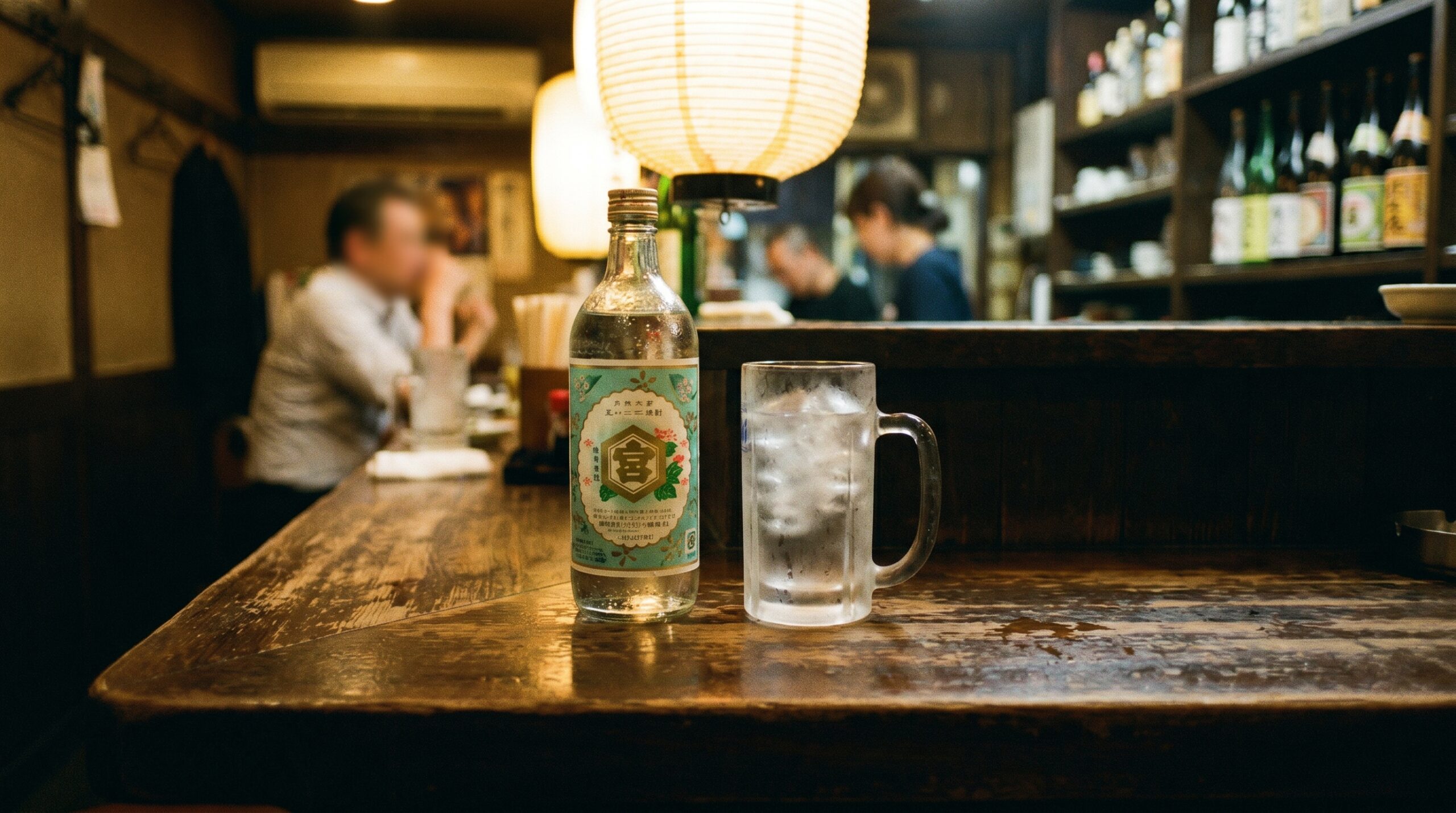
A man at an izakaya counter, his gaze moving to another customer's small dish two seats down. He recognizes it immediately. Some things you always recognize.
You always recognize it.

I keep a loose mental list of the Tokyo izakayas that carry chanja. It’s not a long list. When one of them closes, I notice. When a new place adds it, I find out, usually by accident — looking at someone else’s order, seeing the dish arrive, recognizing it immediately.

Some things you always recognize.

チャンジャを置いている東京の居酒屋のリストを、頭の中に漠然と持っている。長くない。その一つが閉まると、気づく。新しい店が加えると知ることになる、たいてい偶然に——他の人の注文を見て、小皿が来るのを見て、すぐにわかる。

すぐにわかるものがある。

Comments

2 responses to “Chanja: The Dish That Tells You You’re in the Right Place”

  1. Alex Avatar

    “I keep a loose mental list of the Tokyo izakayas that carry chanja. It’s not a long list”

    Well then, make yourself useful and recommend some izakaya that have it.

    1. Morio Sakaba Avatar
      Morio Sakaba

      I’ll share a few, just to get you started:

      Shibuya – Yamaga Honten
      Shinjuku – Tachinomi Hinadori
      Sugamo – New Kagaya
      Akabane – Butamamire
      Akabane – Torobako

      Chanja isn’t always on the menu though—sometimes it’s sold out or rotated.

Leave a Reply

Your email address will not be published. Required fields are marked *


Recent Posts

About Izakayaism

My name is Morio Sakaba. I’m a food machinery salesman, currently on my fifth year of a solo work assignment in Tokyo. Before this, Fukuoka. Before that, Nagoya. Twelve years of eating alone in backstreet izakayas across Japan.

I started writing because I kept noticing things that guidebooks don’t explain — why the cloth oshibori matters, why nobody orders what they actually want, why a four-seat counter in a city of fourteen million can feel like the quietest place in the world. These aren’t tourist tips. They’re observations about how Japanese people actually use these places, and what that says about the culture.

Izakayaism is my attempt to write it down before I forget — and to share it with people who are curious about Japan beyond the surface.

酒場盛夫。食品機械の営業。東京単身赴任5年目。名古屋・福岡・東京と12年、路地裏の居酒屋のカウンターで一人飯を続けてきた。ガイドブックには載らないことを、観察してきた。Izakayaism はそれを書き留めるための場所だ。

Morio Sakaba(酒場盛夫)