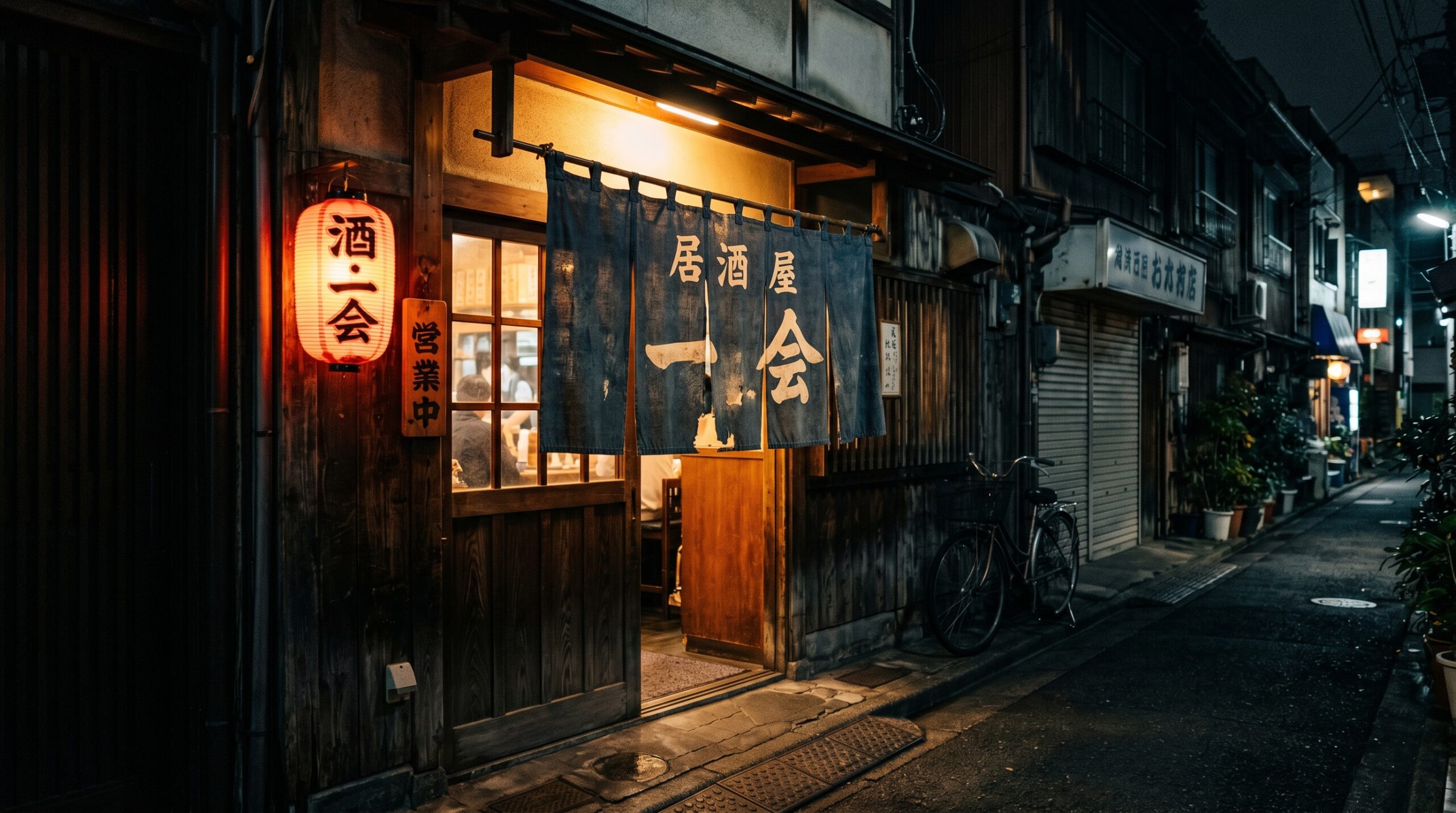
I’ve been going to the same standing bar in Shibuya for two years. There are three or four men who are always there when I arrive — salarymen, roughly my age, who finish work at a reasonable hour and stop here before the train. I don’t know their names. They don’t know mine. We’ve never had a full conversation.
Last Tuesday, one of them moved slightly to make room when I walked in.
That was enough.
渋谷の同じ立ち飲み屋に2年間通っている。毎回来ると必ずいる3〜4人がいる——私と同じくらいの年齢のサラリーマンで、適当な時間に仕事を終えて、電車の前にここに寄る人たちだ。名前は知らない。向こうも知らない。まともに話したことはない。
先週の火曜日、一人が私が入ってきたとき、少し体を動かして場所を作ってくれた。
それで十分だった。
In English, the word “regular” doesn’t carry enough weight. A regular is someone who comes back often. That’s the whole definition — frequency of visit. In Japan, *jouren* means something more specific. It’s a status. A relationship. It’s defined less by what’s present than by what’s left out.
英語の「regular(常連)」という言葉には、十分な重みがない。regularとは、よく来る人のことだ。それが定義のすべて——訪問の頻度。日本では、常連はもう少し具体的な意味を持つ。それはステータスだ。関係性だ。そして多くの日本的な関係と同じように、何があるかより、何を意識的に省くかで定義される。
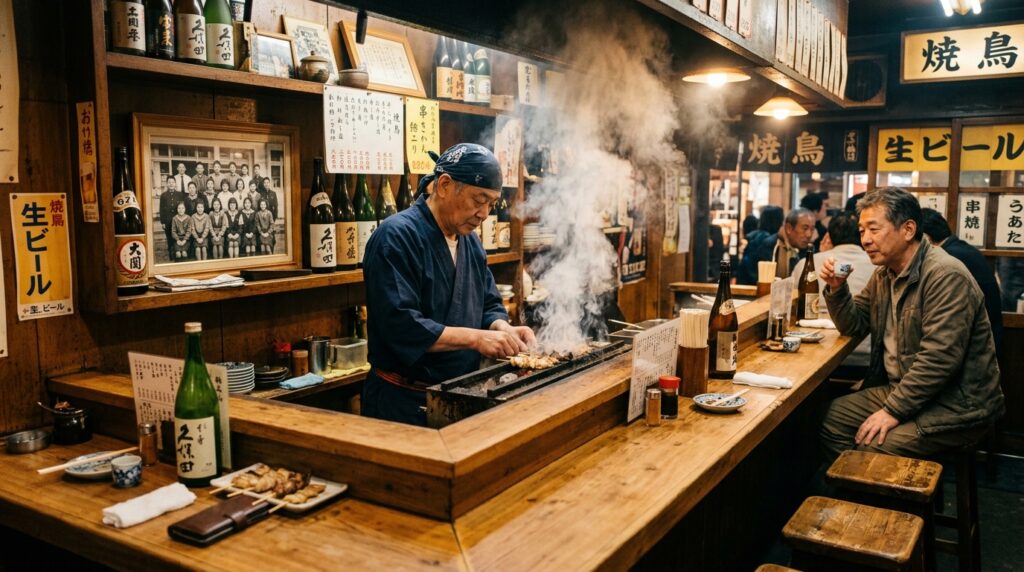
At the yakitori place in Yotsuya where I’ve been going for five years, the owner knows my usual order. He doesn’t know my name. I don’t know his. We’ve never asked. I know he has a son because a school photo appeared on the shelf behind him about three years ago, and it’s still there. He knows I work somewhere that requires a suit. That’s the sum total of our personal information exchange.
And yet, when I walk in, something settles.
5年間通っている四谷の焼き鳥屋では、大将は私のいつもの注文を知っている。名前は知らない。私も知らない。聞いたことがない。大将に息子がいることは知っている——3年前、棚に学校の写真が現れて、今もそこにあるから。向こうは私がスーツを着る仕事をしていることを知っている。互いの個人情報の交換は、それだけだ。
それでも、入った瞬間に何かが落ち着く。
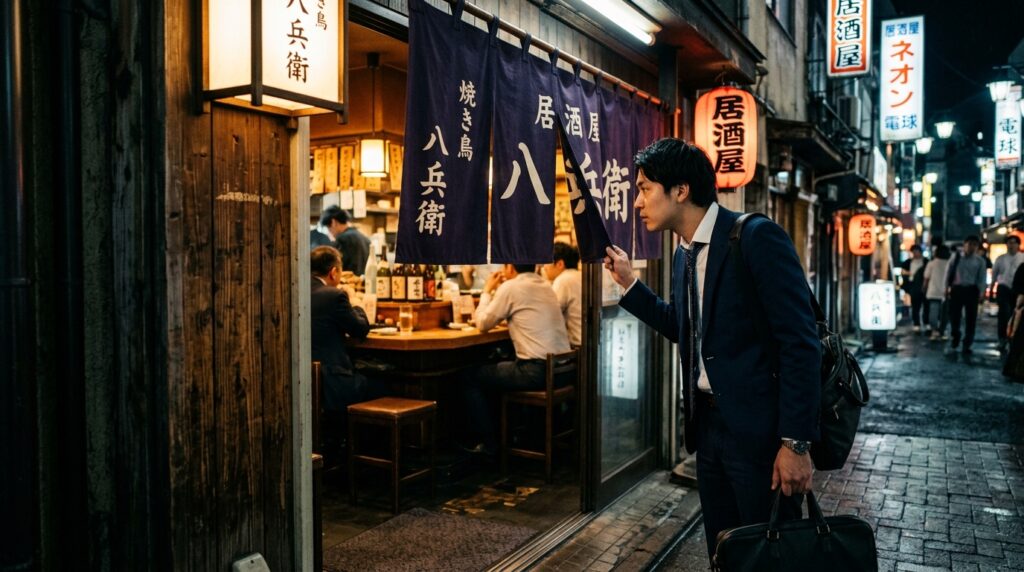
You show up. You behave consistently. You don’t ask for more than the space provides. Over time, that accumulates into something — a wordless understanding that you belong here. That your presence is expected. That the slight adjustment of a stranger’s shoulder when you walk in means the same thing as a handshake somewhere else.
これが常連の実態だ。個人的な開示ではなく、信頼できる存在感によって築かれる関係。来る。一貫した振る舞いをする。その場が与えるもの以上を求めない。時間をかけてそれが積み重なり、何かになる——ここにいていい、あなたが来ることは想定済みだという無言の了解。入ってきたとき見知らぬ人が少し肩を動かしてくれることが、他の場所での握手と同じ意味を持つ。
The izakaya runs on a different logic. Intimacy isn’t the goal. Comfort is. And comfort often comes from knowing exactly what a relationship is — and exactly what it isn’t.
居酒屋は違う論理で動く。親密さはゴールではない。心地よさがゴールだ。そして心地よさはしばしば、ある関係が何であるかを——そして何でないかを——正確に知ることから来る。
I’ve moved cities three times in twelve years. Every time, one of the first things I do is find a place like this. Not a place to make friends. Not a place to network. A place to be a known quantity. To walk in and have someone pour the beer without asking what kind, because they already know.
12年間で3回、街を移った。毎回、最初にすることの一つが、こういう場所を見つけることだ。友人を作るための場所ではない。人脈を広げるための場所でもない。既知の存在になれる場所だ。入っていくと、何ビールか聞かれずに注いでもらえる場所——すでに知っているから。
In Nagoya, I found it in the second year. Fukuoka took eighteen months. Tokyo, six months.
I’m getting better at it.
名古屋では2年目に見つけた。福岡は18ヶ月かかった。東京は6ヶ月だった。
うまくなってきている。






Leave a Reply