Outside Japan, warm sake has a reputation. People who’ve had it say it’s what’s served when the sake isn’t good enough to drink cold. That heating masks flaws. That serious sake drinkers drink it cold.
They’re wrong. Also a little bit right.
日本の外では、温かい酒には評判がある。飲んだことのある人は言う、冷やして飲めないほど品質が良くないときに出すものだ、と。温めることで欠点を隠す。本物の日本酒好きは冷やして飲む、と。
間違っている。でも少しだけ正しい。
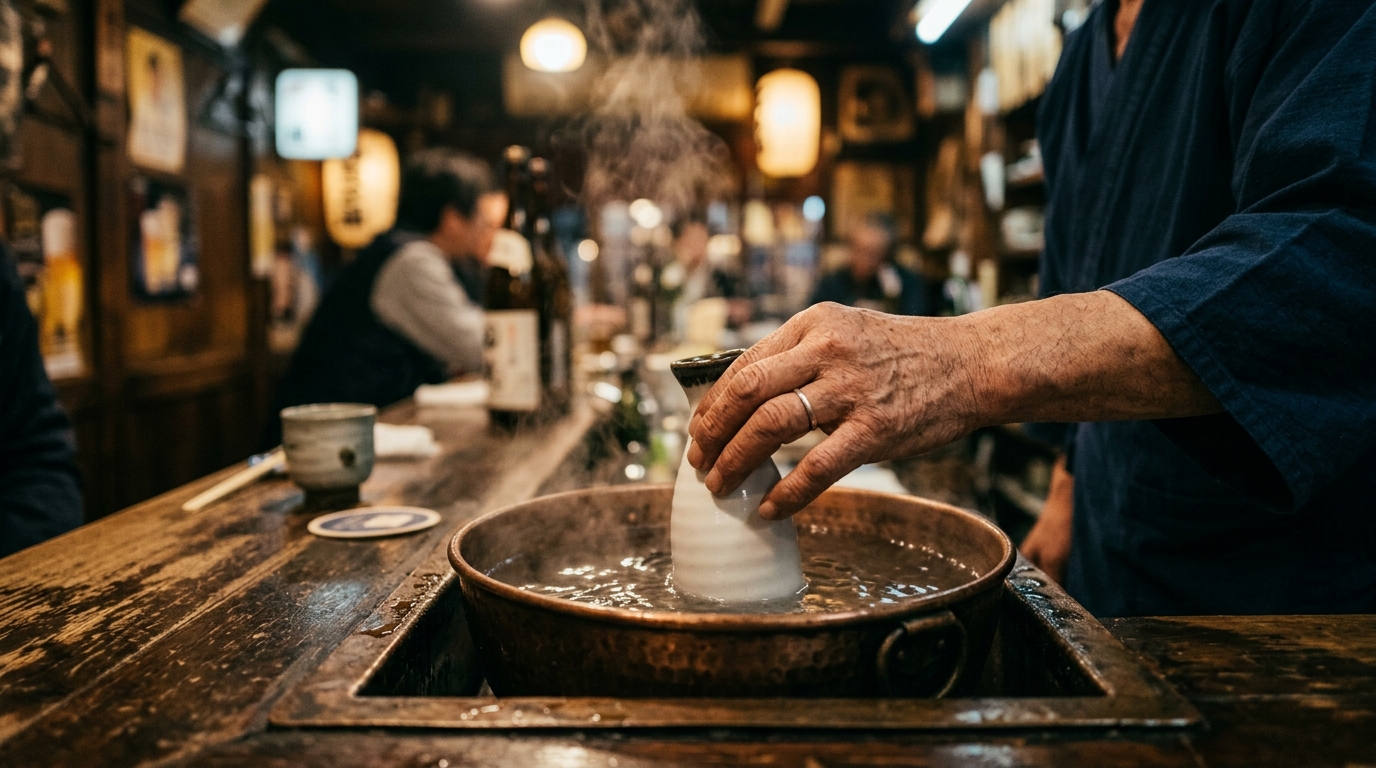
It’s true that cheap sake, heated, can become more drinkable. The warmth rounds off harsh edges. So yes, some places use heat to salvage mediocre product. But this is the exception, not the rule. Atsukan — hot sake — has a legitimate tradition that has nothing to do with covering up inferior quality.
The question is not whether warm sake is better or worse than cold. The question is what you want the sake to do.
安い酒を温めると飲みやすくなることは本当だ。熱さが荒い角を丸める。だから、劣ったものを温めで補う店がある。でもこれは例外であって、ルールではない。熱燗——熱い酒——には、品質の低さを隠すこととは無関係の、正当な伝統がある。
問題は、温かい酒が冷やした酒より良いか悪いかではない。問題は、その酒に何をさせたいかだ。
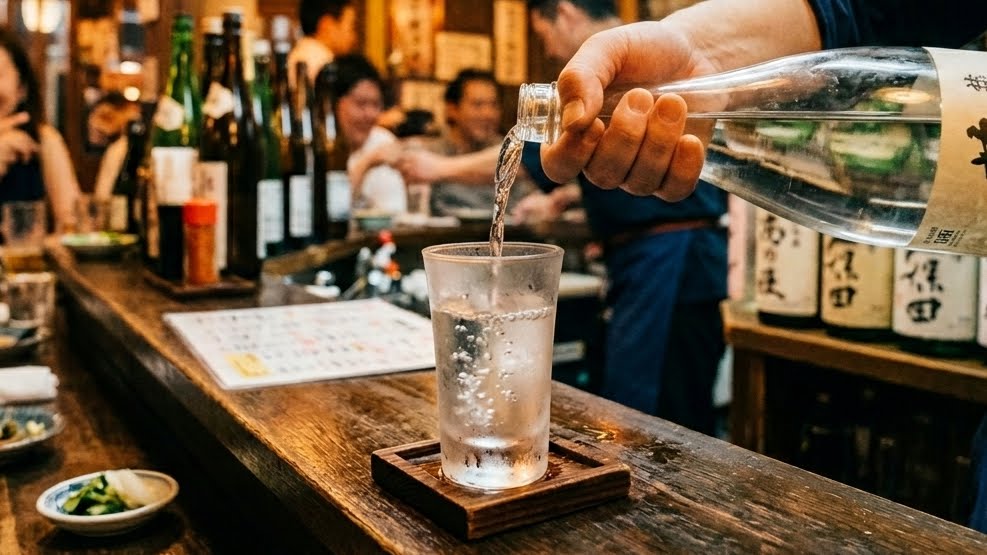
Cold sake is clean, precise. You taste the rice, the fermentation, the particular character of the brewery. It rewards attention. Hot sake is about warmth moving through the body, about the way the izakaya feels on a night in February when you’ve been outside for twenty minutes. It’s not about the flavour profile. It’s about what the body needs right now.
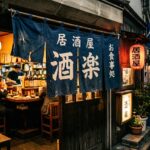
In winter, in a four-seat place with no coat hooks, ordering atsukan is not a compromise. It’s a very specific request.
冷やした酒はクリーンで精密だ。米、発酵、蔵の個性を味わえる。注意を払えば報われる。熱燗は、体を伝わる温かさについてだ。2月の夜、20分外にいた後の居酒屋の感触についてだ。フレーバープロファイルの話ではない。今この体が何を必要としているかの話だ。
冬に、コート掛けのない4席の店で、熱燗を頼むことは妥協ではない。とても具体的なリクエストだ。
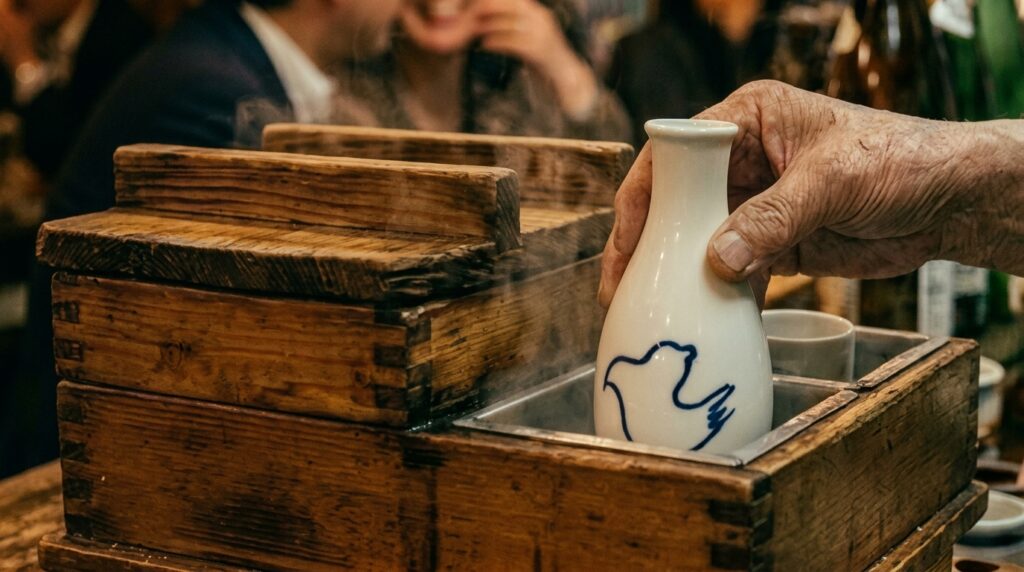
My rule: cold sake in summer, when the place is warm and the drink should be cool. Hot sake in winter, when the place is small and the body needs it. In between, let the owner decide. I order *omakase* on sake temperature sometimes — whatever they recommend. This has never disappointed me.
私のルール。夏は冷やした酒——店が暑くて、飲み物が冷たい方がいいとき。冬は熱燗——店が小さくて、体がそれを必要としているとき。その間は、大将に任せる。酒の温度でおまかせを頼むことがある——薦めるものを、と。これで失望したことはない。

Leave a Reply