-
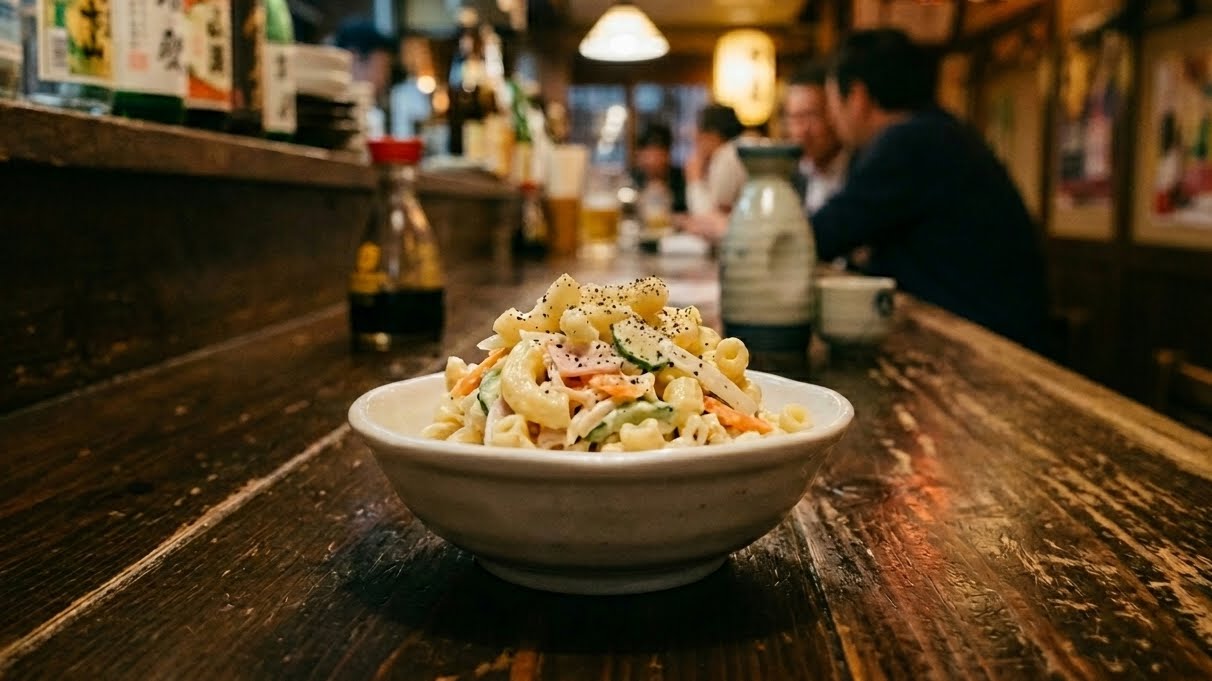
Macaroni Salad: The Dish That Reveals a Kitchen
Nobody orders izakaya macaroni salad expecting it to be memorable. I order it at every new place I visit. One bite tells you whether the kitchen made it or opened a bag.
-
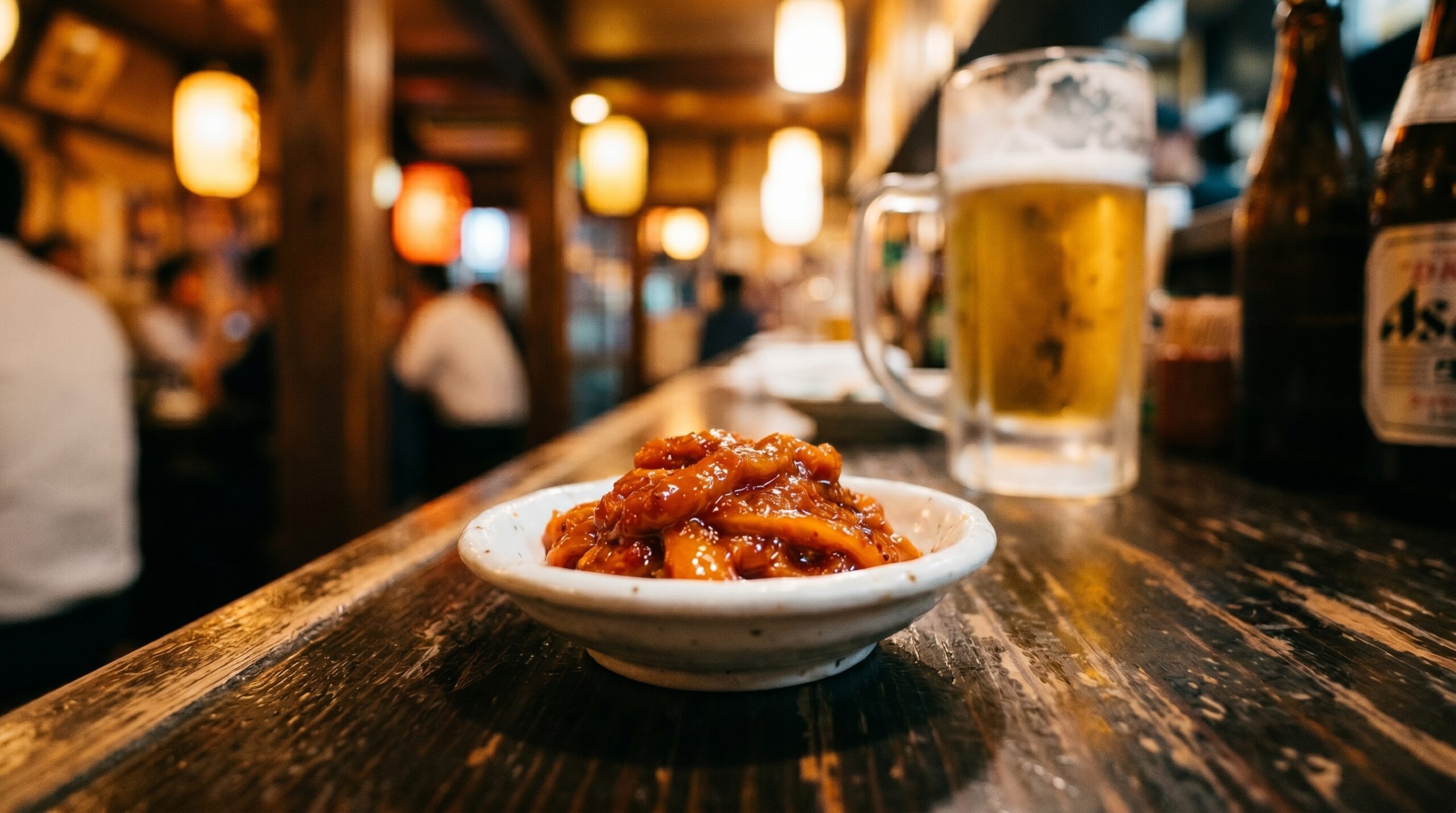
Chanja: The Dish That Tells You You’re in the Right Place
Chanja is fermented cod entrails. Most izakayas don’t have it. When I see it on the menu, something in me relaxes. A place that carries chanja has made a decision.
-
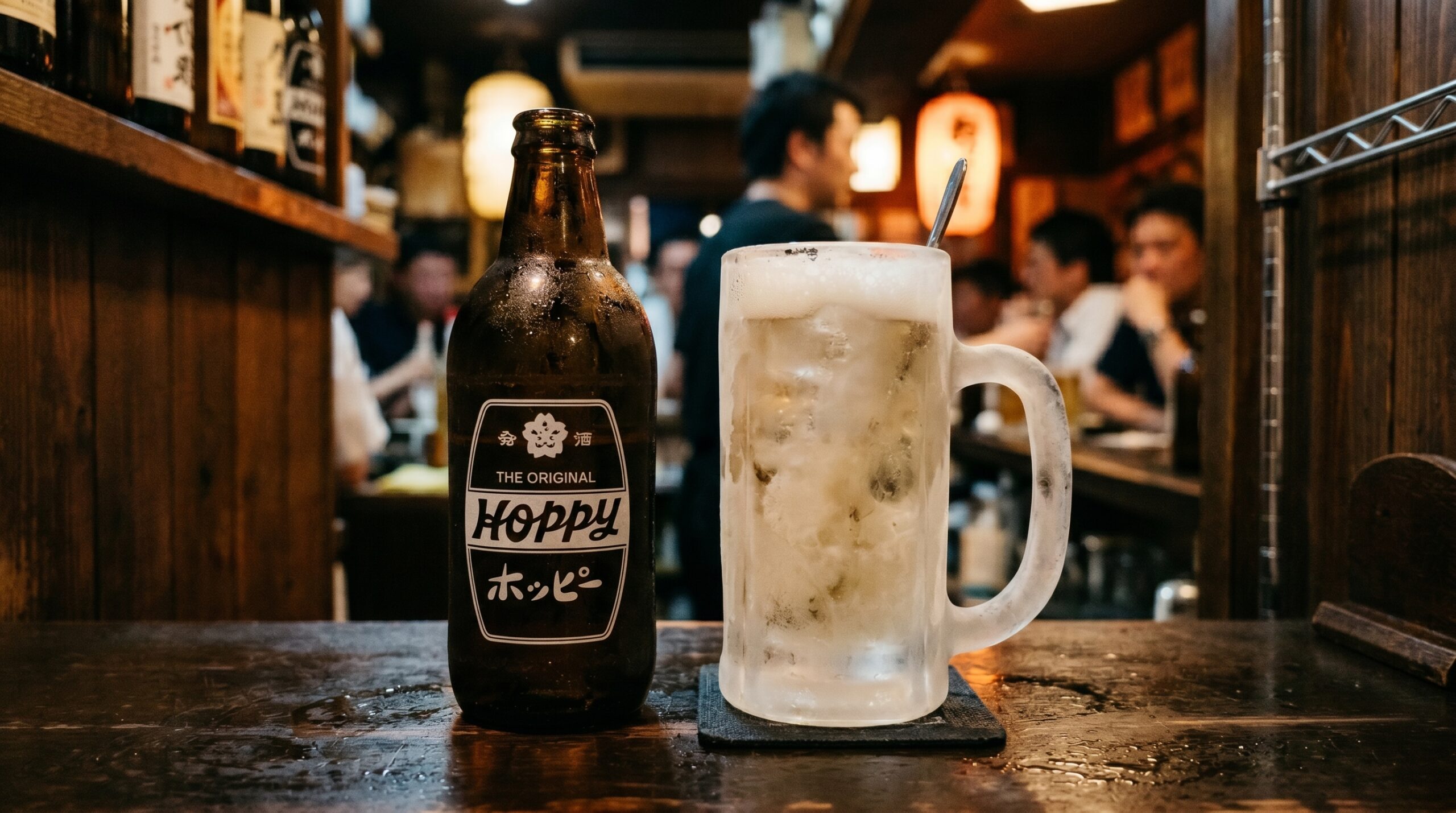
Hoppy: The Drink That Tests Whether a Place Knows What It’s Doing
Hoppy has been around since 1948. It never became fashionable. It never went away. I order it first at new places — not because I want it, but because the response tells me things.
-
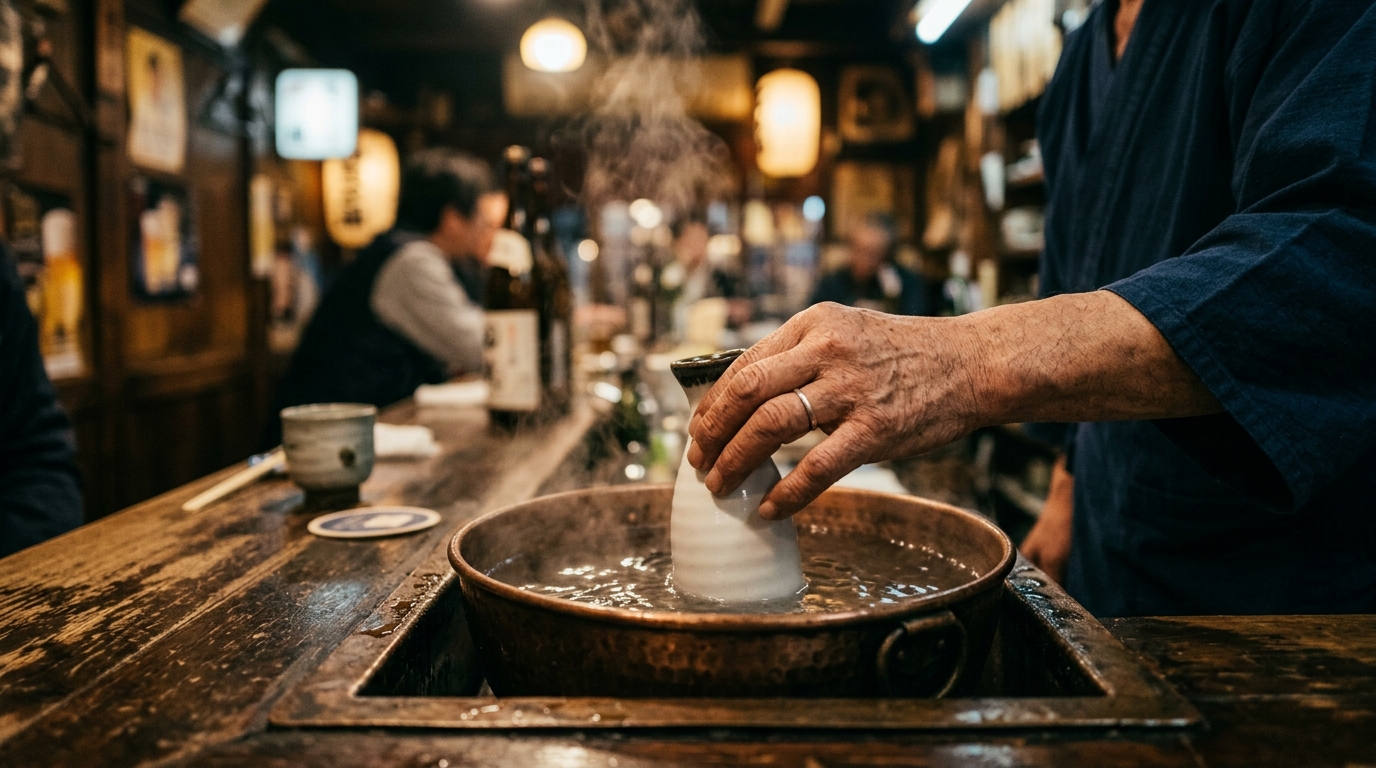
Sake Temperature: Why Warm Is Not a Compromise
Outside Japan, warm sake has a reputation. People say it hides flaws. They’re wrong — and a little bit right. The question is what you want the sake to do.
-
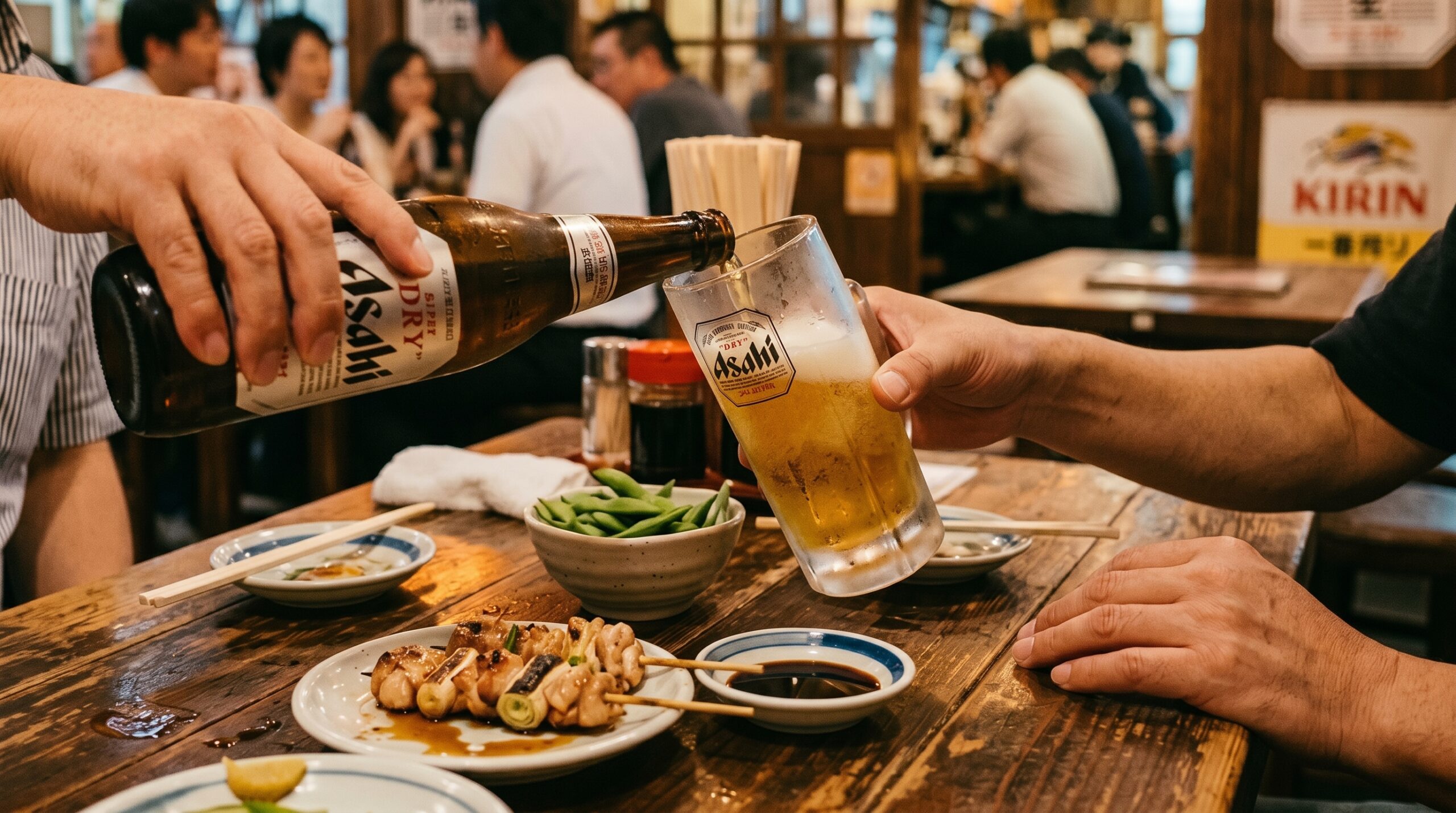
Oshaku: Why You Never Pour Your Own Drink
His glass was empty. He reached for the bottle and poured himself. The table went slightly quiet. He’d been transferred from overseas. Three months in Tokyo. Still learning.
-
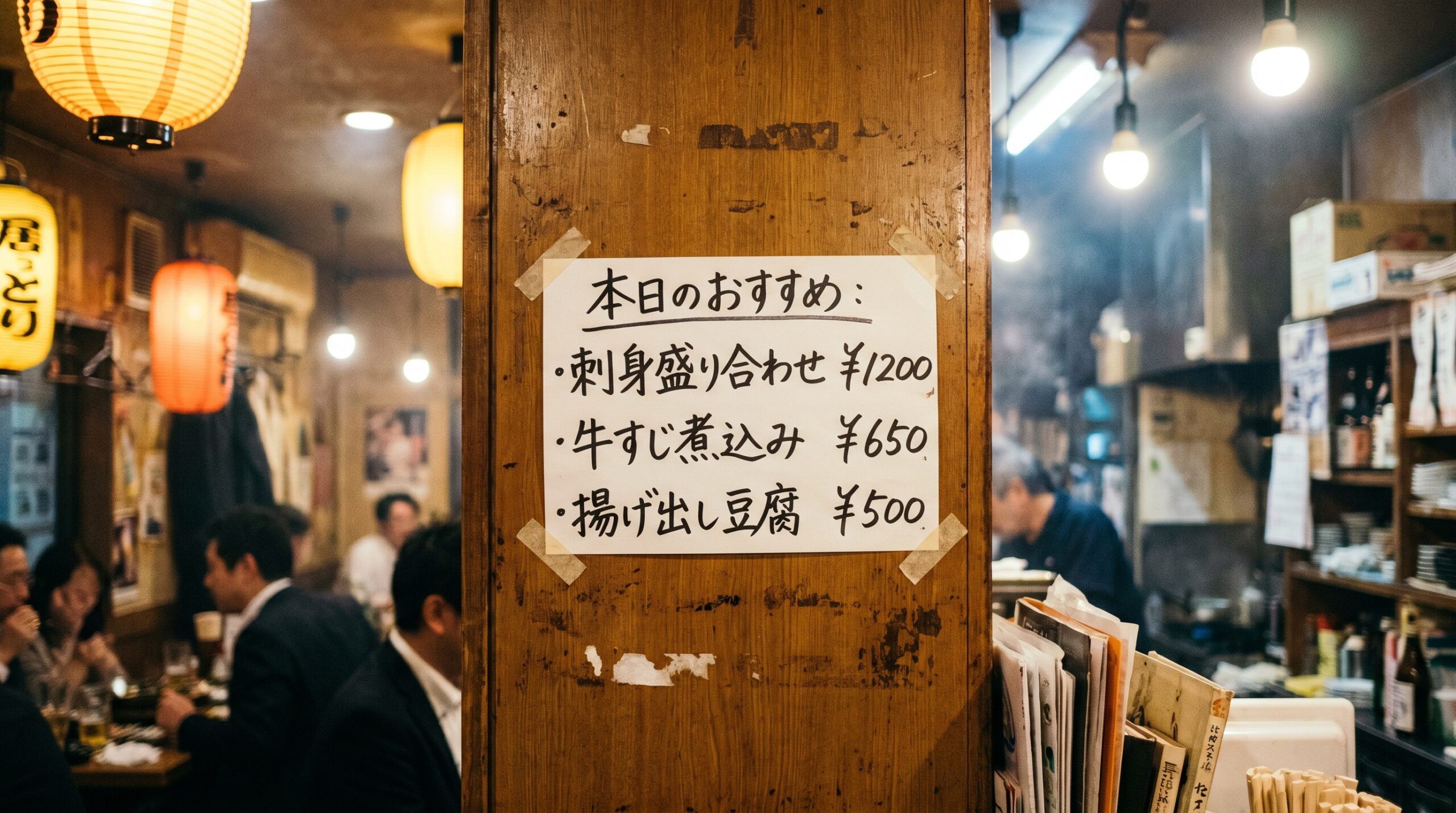
The Handwritten Board: Tonight’s Menu Is Not Last Night’s Menu
A small piece of paper on the wall. Three items in marker. One fish I don’t recognize. The price handwritten beside it. I order it. This is almost always the correct decision.
-
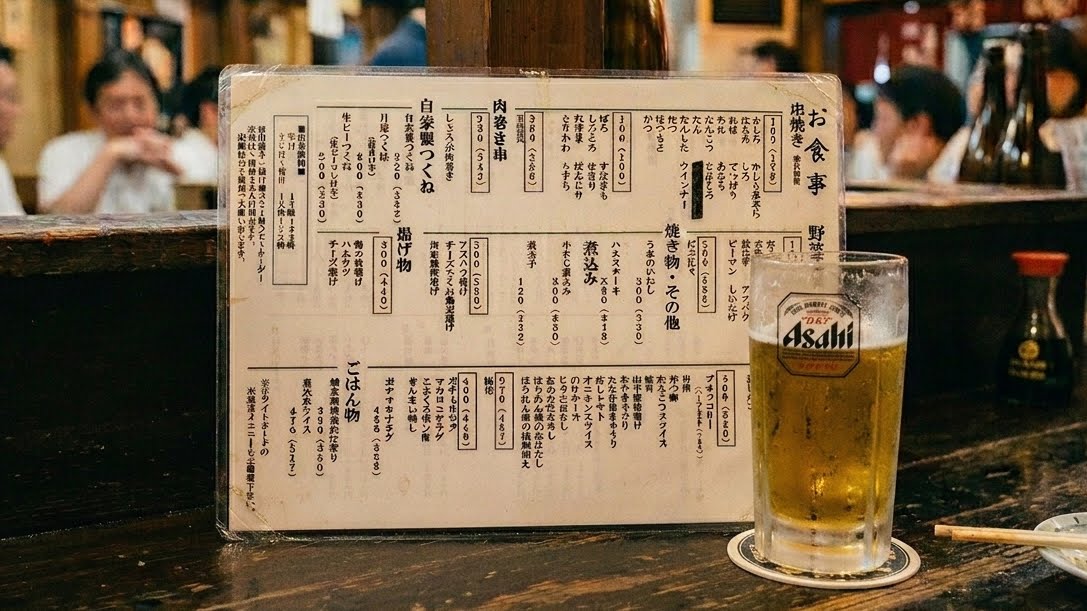
No Photos on the Menu: What the Format Tells You
A text-only menu is an assumption: that you’re willing to trust the place enough to order without pictures. The photo menu is for accessibility. The other kind assumes you’ve already decided.
-
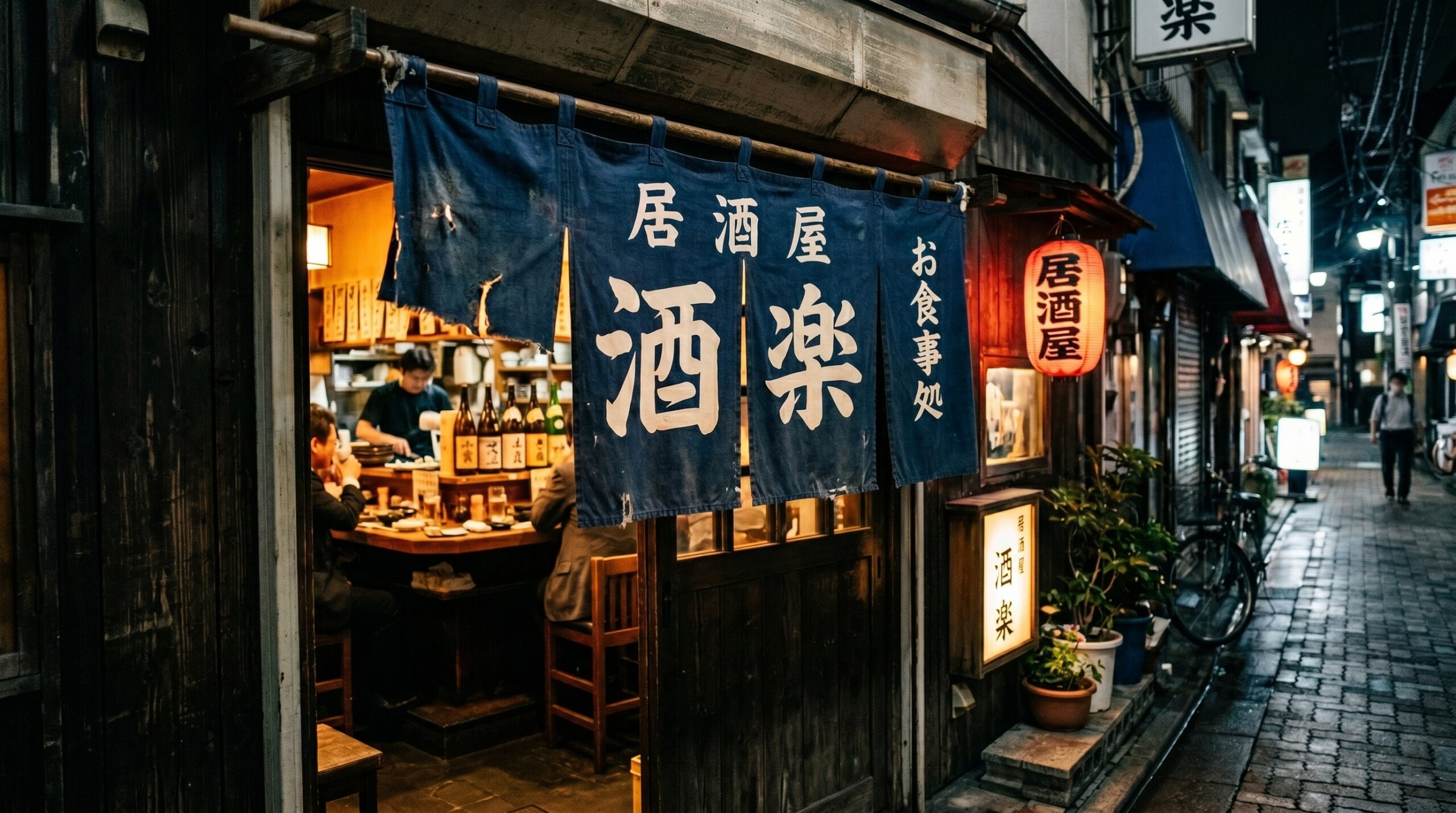
Noren: What Happens When You Push Through the Curtain
The curtain in the doorway is not decoration. When it’s hanging, the place is open. Pushing through it is a small act of entry into something with its own rules.
-
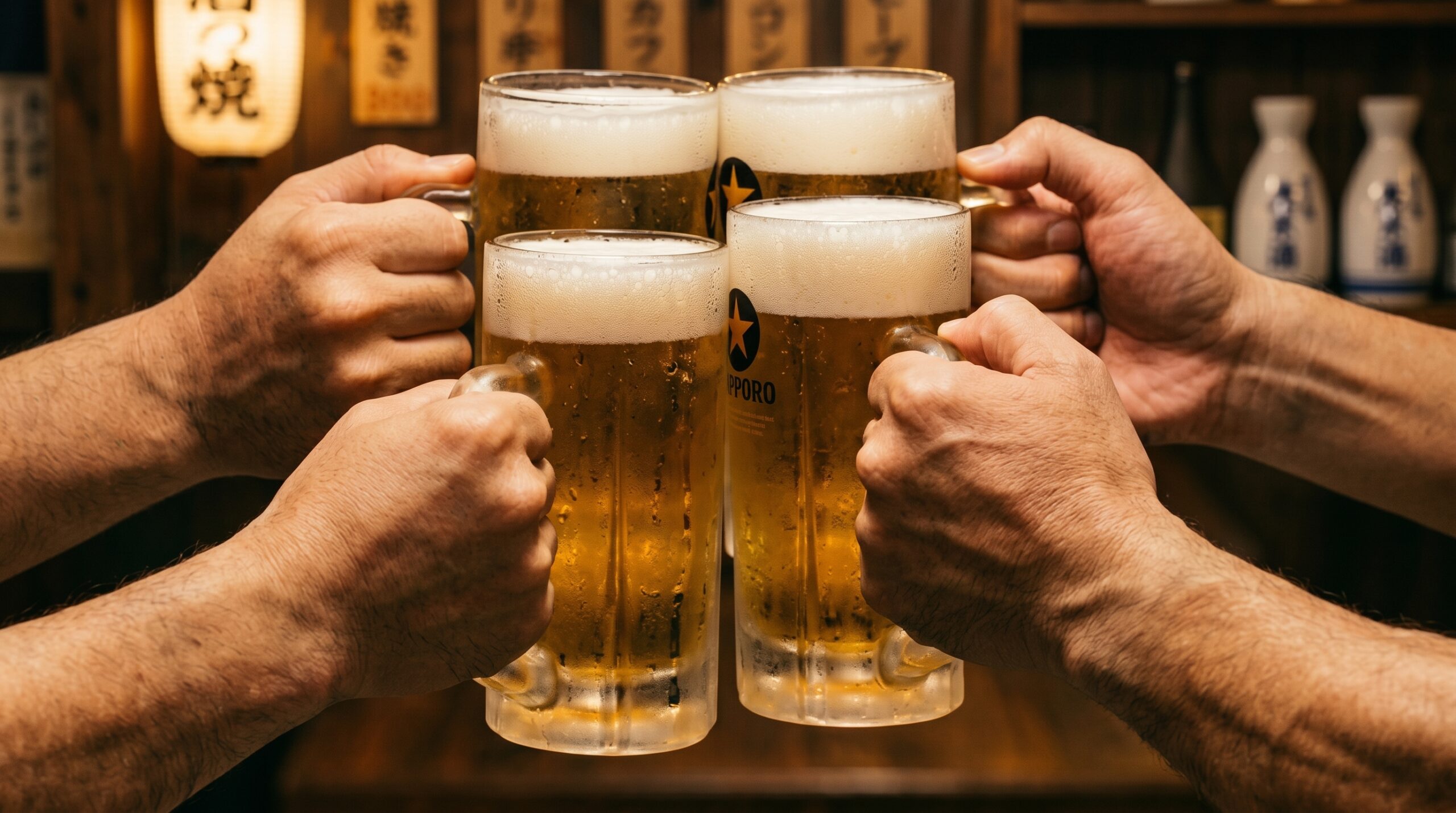
Kanpai: Why Everyone Waits Before the First Sip
The beers arrived. Four of them. Nobody drank. They waited for the word. Kanpai is not optional. The ritual makes the release possible.
-
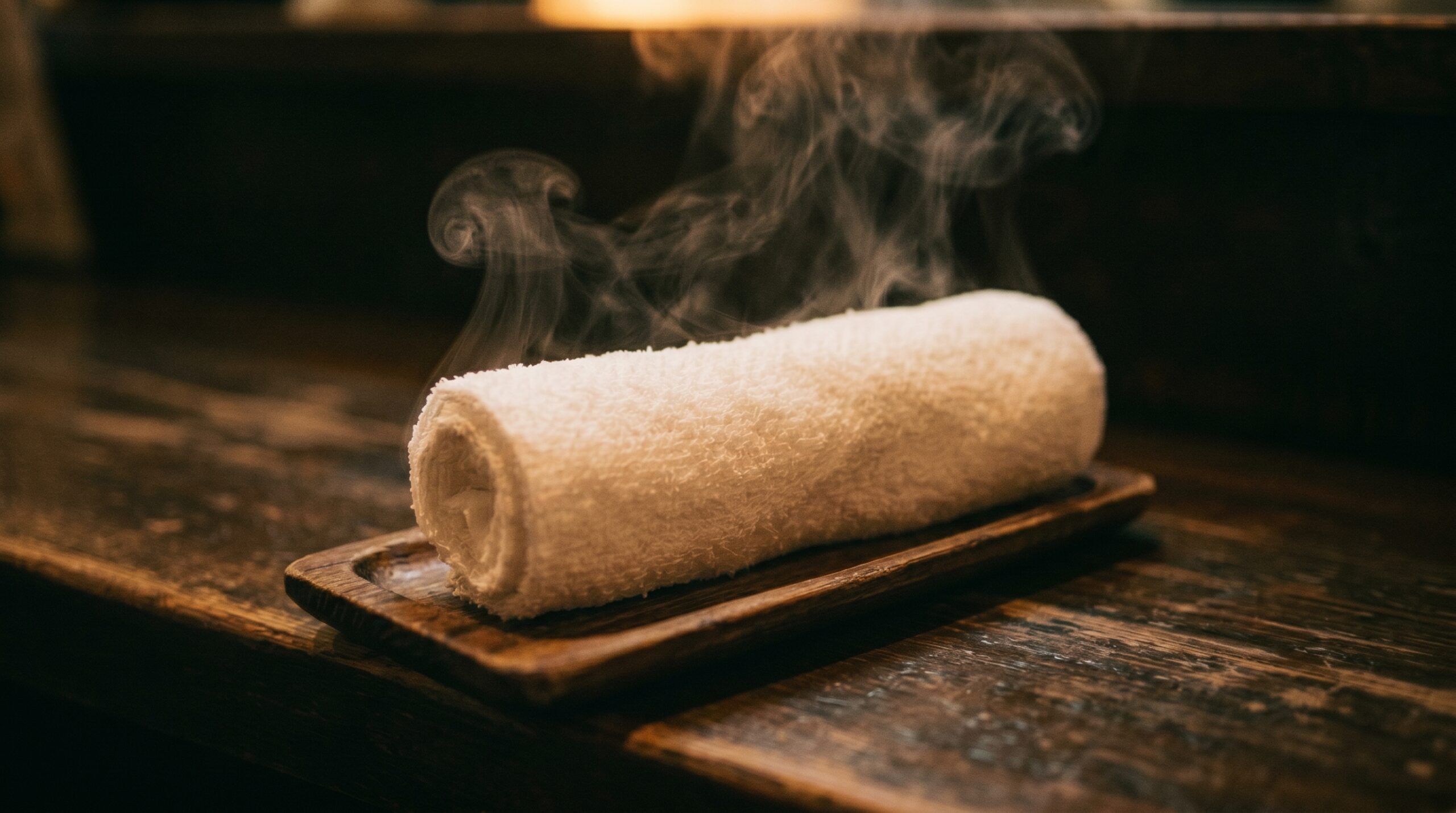
The Cloth Oshibori: Japan’s Smallest Trust Signal
Before you see the menu, before you order anything, the oshibori arrives. Paper means efficiency. Cloth means someone thought about you before you arrived.
My name is Morio Sakaba.
I’m a food machinery salesman, currently on my fifth year of a solo work assignment in Tokyo.
Before this, Fukuoka. Before that, Nagoya. Twelve years of eating alone in backstreet izakayas across Japan.

Morio Sakaba(酒場盛夫)
Based in Shinjuku, Tokyo